
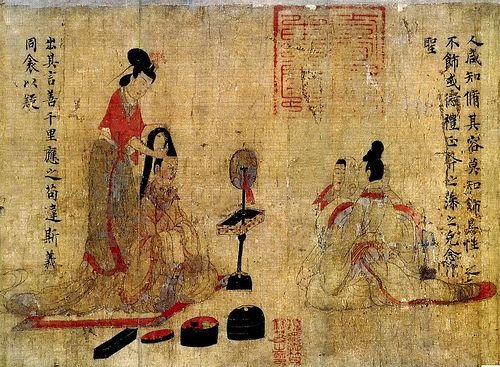
Chinese history art is a fascinating journey through time, culture, and creativity, offering a unique glimpse into one of the world’s oldest civilizations. Far more than mere decoration, Chinese art reflects the values, philosophies, and traditions that have shaped the identity of China for thousands of years. From the delicate jade carvings and intricate bronze vessels of the Neolithic and Shang dynasties to the breathtaking landscapes and calligraphy of later periods, each artwork carries a story that connects the past to the present.
The evolution of Chinese art is closely tied to dynastic history, philosophical thought, and spiritual practices, making it a mirror of societal change and cultural development. Whether it’s the symbolic power of dragons in painting, the moral depth expressed through calligraphy, or the ceremonial significance of ancient sculpture, every piece is a testament to the ingenuity and vision of Chinese artists. In this comprehensive guide, we will uncover the origins, styles, and enduring influence of Chinese history art, revealing the hidden secrets and cultural evolution that continue to captivate art enthusiasts worldwide.
Table of Contents
The Origins of Chinese Art: Where History Meets Creativity
The chinese history art begins thousands of years ago. Archaeologists have discovered artifacts dating back to the Neolithic period (c. 10,000–2,000 BCE), including pottery, jade carvings, and ritual objects. These creations were not mere decorations—they held symbolic and spiritual meanings for ancient Chinese communities.
Key Early Art Forms:
- Neolithic Pottery: Simple yet intricate designs etched into clay tell stories of daily life and rituals.
- Jade Carvings: Highly valued for spiritual and symbolic significance, jade represented immortality and virtue.
- Bronze Art: During the Shang (c. 1600–1046 BCE) and Zhou dynasties (1046–256 BCE), bronze vessels and ritual tools demonstrated both artistic mastery and ceremonial importance.
These early works laid the foundation for the development of traditional Chinese art, influencing everything from calligraphy to painting for millennia.
Ancient Chinese Painting: The Dawn of Visual Storytelling
Painting has always been at the heart of Chinese culture. Unlike Western art, which often focused on realism, ancient Chinese painting prioritized philosophical depth, harmony with nature, and symbolic meaning.
Types of Ancient Chinese Painting:
- Shanshui (山水) – Landscape Painting:
- Represents mountains, rivers, and natural scenery.
- Influenced by Daoist philosophy, emphasizing the harmony between humans and nature.
- Key figures: Fan Kuan, Guo Xi.
- Gongbi (工筆) – Fine Brush Painting:
- Highly detailed and precise, often depicting flowers, birds, and court life.
- Symbolized wealth, status, and cultural refinement.
- Ink Wash Painting:
- Utilizes black ink in varying concentrations to create depth and emotion.
- Pioneered by literati artists who combined poetry, philosophy, and painting.
These styles showcase the timeless elegance and intellectual depth of Chinese art, making it a cornerstone of cultural heritage.
The Role of Chinese Calligraphy: Art in Motion
If painting captures the eyes, Chinese calligraphy captures the soul. Considered the highest form of art in Chinese culture, calligraphy is more than beautiful writing—it’s a reflection of character, intellect, and moral integrity.
Why Chinese Calligraphy is Unique:
- Expresses emotions through brushstrokes.
- Combines language, visual art, and philosophy.
- Served as a medium of communication and cultural preservation for thousands of years.
Famous calligraphers like Wang Xizhi and Ouyang Xun set the standards for centuries, creating works that are studied and revered even today.
Sculpture and Ceramics: Tangible Stories of the Past
Chinese sculpture and ceramics tell vivid stories of history, religion, and daily life. From Buddhist statues to intricately painted porcelain, each piece reflects the artistic and spiritual priorities of its era.
Highlights in Sculpture and Ceramics:
- Terracotta Army (秦始皇兵馬俑): Over 8,000 life-sized soldiers buried with China’s first emperor, demonstrating artistic innovation and military culture.
- Tang Dynasty Ceramics: Known for colorful glazes and elegant forms, reflecting trade and cultural exchange along the Silk Road.
- Song Dynasty Porcelain: Delicate designs that embody simplicity, elegance, and technical perfection.
These masterpieces illustrate the shocking level of sophistication ancient Chinese artists achieved centuries ago.

Influence of Chinese Dynasties on Art Evolution
The evolution of Chinese art cannot be understood without examining the influence of dynasties. Each period left a distinct artistic legacy shaped by politics, religion, and cultural exchange.
Key Dynastic Contributions:
- Han Dynasty (206 BCE–220 CE):
- Pioneered tomb murals, jade carvings, and early bronze works.
- Art emphasized immortality and ancestor worship.
- Tang Dynasty (618–907 CE):
- Considered the golden age of Chinese art.
- Flourishing Buddhist art, sculpture, and multicultural influences.
- Song Dynasty (960–1279 CE):
- Focused on landscapes, calligraphy, and literati painting.
- Art became more introspective and philosophical.
- Ming Dynasty (1368–1644 CE):
- Known for vibrant porcelain, intricate paintings, and decorative arts.
- Refined traditional techniques and styles that influenced global trade.
- Qing Dynasty (1644–1912 CE):
- Blended Manchu and Han aesthetics.
- Advanced in ceramics, cloisonné, and palace art.
Each dynasty contributed to the rich tapestry of Chinese cultural heritage, leaving an indelible mark on art history.
The Symbolism Behind Chinese Art
Symbols are the language of Chinese art, often representing philosophical concepts, virtues, and moral values.
Common Symbols:
- Dragons: Power, strength, and good fortune.
- Phoenix: Rebirth, immortality, and harmony.
- Lotus Flower: Purity and enlightenment.
- Bamboo: Resilience, integrity, and flexibility.
Understanding these symbols allows art enthusiasts to decode the hidden meanings behind masterpieces, revealing a depth often overlooked by casual observers.
Modern Interpretation of Chinese Art
While rooted in tradition, Chinese art continues to evolve in contemporary society. Modern artists fuse ancient techniques with innovative approaches, creating a dynamic dialogue between the past and present.
Modern Trends:
- Ink and Digital Fusion: Combining traditional ink painting with digital media.
- Contemporary Sculpture: Using unconventional materials while referencing historical themes.
- Global Exhibitions: Chinese art is now a major influence in international galleries, reflecting both cultural pride and global appeal.
This evolution shows that Chinese history art is not static—it adapts, inspires, and continues to captivate audiences worldwide.
Why Chinese History Art Matters Today
- Cultural Preservation: Art preserves the legacy of dynasties, philosophies, and traditions.
- Educational Value: It provides insights into societal structures, religious beliefs, and historical events.
- Aesthetic Inspiration: From interior design to modern art, its influence remains pervasive.
- Investment Potential: Ancient and modern Chinese art are highly valued in global markets.
Whether you are an art collector, historian, or enthusiast, Chinese art offers a profound connection to human history.
FAQs About Chinese History Art
Q1: What is the oldest form of Chinese art?
A: The oldest forms are Neolithic pottery and jade carvings, dating back over 7,000 years, serving spiritual and ceremonial purposes.
Q2: Who are the most famous Chinese painters?
A: Renowned artists include Fan Kuan, Guo Xi, Zhang Daqian, and Qi Baishi, known for landscapes, calligraphy, and ink wash techniques.
Q3: How did Chinese calligraphy influence culture?
A: Calligraphy is a blend of art, philosophy, and communication, shaping cultural values, education, and aesthetics across dynasties.
Q4: What are the key symbols in Chinese art?
A: Dragons, phoenixes, lotus flowers, bamboo, and cranes represent power, virtue, purity, and longevity.
Q5: Can modern artists still learn from ancient Chinese art?
A: Absolutely. Techniques, symbolism, and philosophies continue to inspire contemporary painting, sculpture, and design worldwide.
Q6: How can I identify authentic Chinese art?
A: Look for historical authenticity, material quality, brushwork or carving precision, and verified provenance from reputable sources.
Conclusion
Chinese historical art is far more than a collection of beautiful paintings, sculptures, and calligraphy—it is a living record of China’s rich cultural heritage, philosophical depth, and historical evolution. From the earliest Neolithic pottery and jade carvings to the majestic landscapes of the Song Dynasty and the intricate porcelain of the Ming era, each artwork tells a story that bridges centuries of human creativity and thought. The symbolic meanings embedded in these masterpieces, whether in dragons, bamboo, or lotus flowers, reveal the moral values, spiritual beliefs, and intellectual pursuits of past civilizations.
Understanding Chinese art allows us not only to appreciate its aesthetic beauty but also to gain insights into the society, religion, and philosophy that shaped it. Modern artists continue to draw inspiration from these ancient traditions, proving that Chinese art is timeless, adaptable, and globally influential. By exploring the origins, evolution, and hidden cultural significance of Chinese historical art, we uncover a world where history, philosophy, and creativity converge. Embracing this journey offers art enthusiasts, historians, and collectors alike a deeper connection to one of the world’s most profound and enduring artistic legacies.