
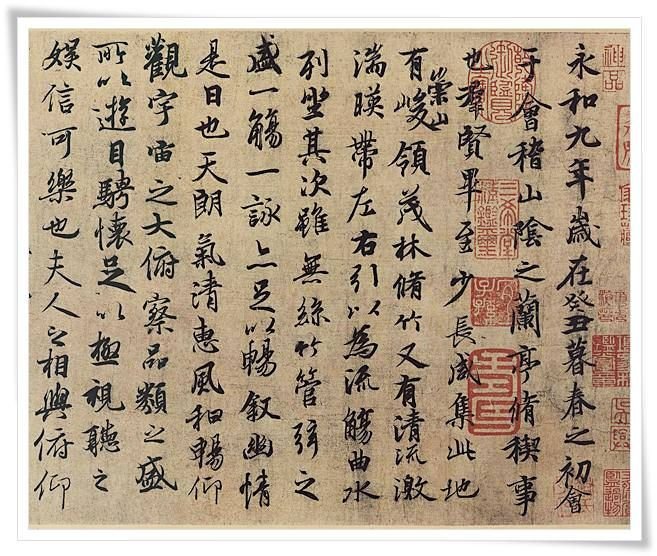
Calligraphy in ancient China is one of the most ancient and revered art forms in the world, serving as a bridge between language, philosophy, and culture. Far beyond mere writing, it is a visual expression of thought, emotion, and moral character, reflecting the values and aesthetics of Chinese civilization over thousands of years. Originating from early inscriptions on oracle bones and bronze vessels during the Shang Dynasty, calligraphy evolved into a highly sophisticated practice by the Han Dynasty, becoming a hallmark of scholarly refinement and social prestige.
Each stroke in Chinese calligraphy carries deep meaning, blending precision, rhythm, and creativity. Different styles—from the formal Seal Script to the expressive Cursive Script—offer unique insights into historical eras, philosophical influences, and the personal expression of the calligrapher. Beyond its artistic value, calligraphy has played a crucial role in education, governance, literature, and cultural identity, shaping how Chinese society perceives beauty, order, and harmony.
Exploring the history, iconic styles, and cultural significance of calligraphy in ancient China unveils the secrets of an art form that has influenced generations, leaving a legacy that continues to inspire artists and enthusiasts worldwide.
Table of Contents
The Origins of Calligraphy in Ancient China
The roots of Chinese calligraphy stretch back over 4,000 years, originating with the earliest inscriptions on oracle bones and bronze vessels during the Shang Dynasty (1600–1046 BCE).
- Oracle bone script: The earliest known Chinese writing, used for divination and ritual purposes.
- Bronze inscriptions: Elegant, durable characters etched onto ritual vessels, symbolizing authority and culture.
By the Han Dynasty (206 BCE–220 CE), calligraphy had evolved into a sophisticated art form, with scholars and emperors alike recognizing its power as both a cultural statement and a moral expression.
Iconic Styles of Chinese Calligraphy
Ancient Chinese calligraphy is renowned for its diverse and highly distinctive styles, each developed over centuries to reflect both functional needs and artistic expression. These styles are not merely ways of writing—they represent the cultural, historical, and philosophical essence of their time.
From the formal, engraved strokes of Seal Script to the free-flowing spontaneity of Cursive Script, every style conveys a different rhythm, mood, and level of complexity. Understanding these iconic styles provides a deeper insight into the evolution of Chinese art, literacy, and social customs, as well as the personal expression of the calligrapher. Each style has a story, a purpose, and a lasting impact, making Chinese calligraphy one of the most dynamic and influential art forms in history.
1. Seal Script (篆書, Zhuànshū)
- Origin: Qin Dynasty (221–206 BCE)
- Characteristics: Rounded, intricate strokes resembling engraved seals
- Cultural Significance: Often used for official documents and stamps
2. Clerical Script (隸書, Lìshū)
- Origin: Han Dynasty
- Characteristics: Straight, flat strokes with pronounced angularity
- Cultural Significance: Made writing more practical, spreading literacy among scholars and officials
3. Regular Script (楷書, Kǎishū)
- Origin: Eastern Han to Tang Dynasty
- Characteristics: Balanced, clear, and highly legible
- Cultural Significance: Became the foundation of modern Chinese writing, widely used in education and literature
4. Running Script (行書, Xíngshū)
- Origin: Han Dynasty
- Characteristics: Semi-cursive, flowing style combining readability and elegance
- Cultural Significance: Favored by literati for personal letters and poetry
5. Cursive Script (草書, Cǎoshū)
- Origin: Han Dynasty
- Characteristics: Expressive, abstract strokes, almost artistic in spontaneity
- Cultural Significance: Demonstrates the calligrapher’s emotion, creativity, and skill
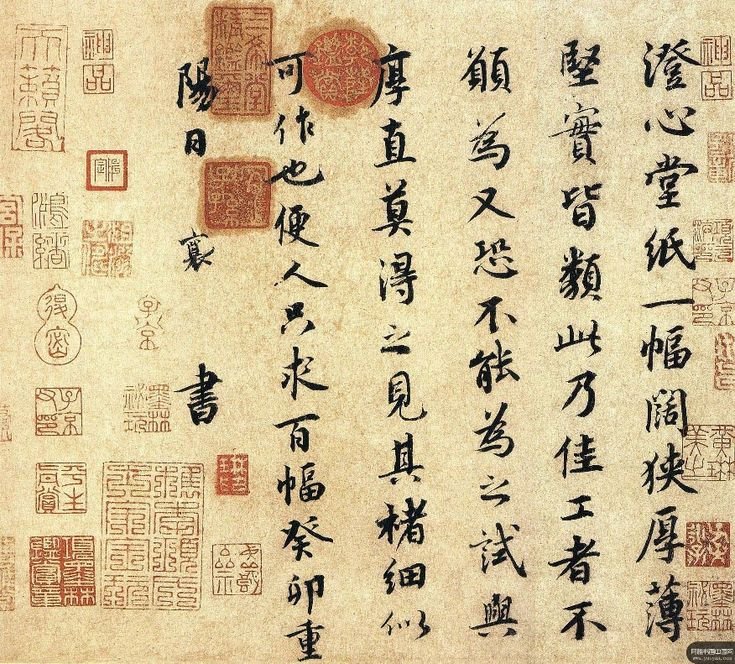
Cultural Significance of Calligraphy in Ancient China
Calligraphy in ancient China was far more than an art form; it was a mirror of philosophical thought, a measure of personal morality, and a reflection of societal values. Every stroke and character carried meaning beyond its literal message, embodying centuries of tradition, ethical principles, and cultural ideals. Mastery of calligraphy was considered a sign of intellectual refinement and moral integrity, and it played a vital role in shaping social identity, communication, and cultural expression throughout Chinese history.
1. Calligraphy as a Moral Tool
Confucianism emphasized self-cultivation, and mastering calligraphy was considered a reflection of one’s moral character. A well-written hand symbolized discipline, patience, and intellect.
2. Calligraphy as a Spiritual Practice
Influenced by Daoism, calligraphy often mirrored the natural flow of life. Brush strokes were viewed as an extension of the universe’s rhythm, linking the practitioner to cosmic harmony.
3. Calligraphy and Social Status
In ancient China, only the elite scholars and officials could master refined calligraphy. Possessing skill in calligraphy elevated one’s social standing and demonstrated education and refinement.
4. Calligraphy in Literature and Art
Calligraphy served as a medium for poetry, painting, and inscriptions, merging visual aesthetics with literary meaning. Ancient Chinese painters often combined ink painting with calligraphy, creating timeless masterpieces.
The Legacy of Ancient Chinese Calligraphy
Even today, Chinese calligraphy influences contemporary art, design, and culture. Calligraphy is taught in schools, practiced by artists, and used in digital typography and branding to convey authenticity and elegance.
Its legacy also persists internationally, with global art collectors and museums recognizing the sophistication and expressive power of ancient Chinese writing.
FAQ: Calligraphy in Ancient China
Q1: What makes Chinese calligraphy unique compared to other scripts?
A1: Chinese calligraphy combines artistic expression with language, where each stroke conveys both meaning and emotion. Its integration of philosophy, aesthetics, and technique sets it apart globally.
Q2: How did calligraphy evolve over time in China?
A2: Starting from oracle bones and bronze inscriptions, Chinese calligraphy evolved through seal, clerical, regular, running, and cursive scripts, adapting to cultural, social, and practical needs.
Q3: Why is calligraphy considered a reflection of personal character?
A3: Ancient Chinese philosophy viewed handwriting as a mirror of discipline, intellect, and morality. The brush strokes reveal the practitioner’s emotional and ethical state.
Q4: Can anyone learn ancient Chinese calligraphy today?
A4: Yes! Modern schools and online platforms teach traditional techniques. While mastery takes years, learning calligraphy improves focus, creativity, and cultural understanding.
Q5: How does calligraphy influence modern Chinese art?
A5: Contemporary artists integrate calligraphy into painting, graphic design, and digital media, keeping ancient traditions alive while innovating new styles.
Conclusion
Chinese calligraphy is more than a form of writing—it is a timeless art that embodies the essence of Chinese culture, philosophy, and aesthetics. From the earliest inscriptions on oracle bones to the sophisticated styles perfected during the Han and Tang Dynasties, calligraphy has served as a medium for both artistic expression and moral cultivation. Each brushstroke reflects the calligrapher’s discipline, intellect, and emotional depth, revealing not only personal character but also the broader cultural and philosophical ideals of ancient China.
The enduring influence of calligraphy extends beyond history; it continues to inspire modern art, design, and education, preserving the elegance and wisdom of traditional Chinese civilization. By understanding its history, iconic styles, and cultural significance, we gain insight into the profound role calligraphy has played in shaping Chinese society and artistic expression.
For scholars, artists, and enthusiasts alike, exploring Chinese calligraphy is a journey into a world where language becomes art, and every stroke tells a story of heritage, creativity, and philosophical depth. Its timeless beauty ensures that ancient Chinese calligraphy will remain a cherished and influential art form for generations to come.