
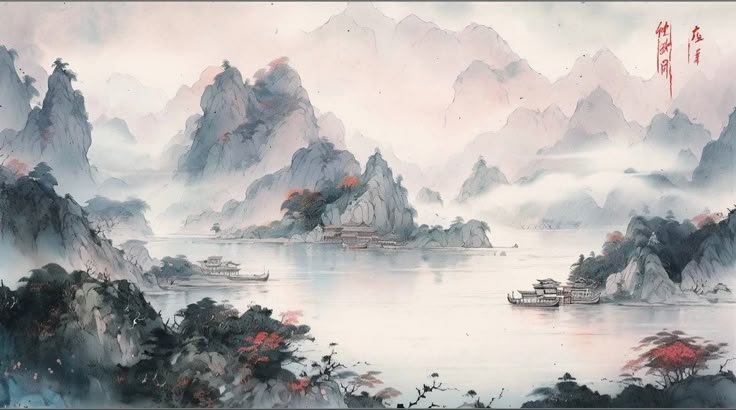
Ancient Chinese art is a timeless reflection of one of the world’s most sophisticated and enduring civilizations. For over 5,000 years, Chinese artists have expressed their beliefs, philosophies, and social structures through visually stunning creations that continue to captivate audiences today. From delicate jade carvings and intricately designed bronze vessels to the flowing elegance of calligraphy and the breathtaking beauty of traditional Chinese painting, every form of art carries deep cultural significance. Unlike art from other civilizations, Chinese art is not merely decorative—it is a mirror of philosophy, spirituality, and moral values, intricately woven into daily life and ritual.
Throughout history, dynasties like the Shang, Zhou, Han, Tang, and Song have each contributed unique styles and innovations, leaving a rich artistic legacy that has influenced generations. Symbols such as dragons, phoenixes, and lotus flowers convey meaning beyond their visual appeal, reflecting virtues, cosmic balance, and social hierarchy. Whether you are a passionate collector, a student of history, or simply curious about world culture, understanding ancient Chinese art offers a fascinating window into the heart of Chinese civilization, revealing hidden secrets, timeless techniques, and profound cultural stories that continue to inspire the modern world.
Table of Contents
The Origins of Ancient Chinese Art
Ancient Chinese art dates back over 5,000 years, tracing its roots to the Neolithic period. Early forms included pottery, jade carvings, and ceremonial objects, showcasing a mastery of craftsmanship and aesthetic sensibility. These works were not just decorative—they were deeply intertwined with spirituality, social hierarchy, and ritual practice.
Key Periods in Ancient Chinese Art History
- Neolithic Period (c. 5000–2000 BCE)
The earliest Chinese art consists of pottery with geometric patterns, small sculptures, and jade ornaments. These items were often used in burial rituals, reflecting the belief in an afterlife. - Shang Dynasty (c. 1600–1046 BCE)
The Shang Dynasty is renowned for its bronze casting, particularly ritual vessels known as ding. These intricate objects were decorated with dragon and tiger motifs, symbolizing power and protection. - Zhou Dynasty (1046–256 BCE)
During the Zhou period, art became closely linked with philosophy. Confucianism and Daoism influenced artistic expression, emphasizing order, harmony, and moral meaning. - Han Dynasty (206 BCE–220 CE)
Han art saw the flourishing of painting, sculpture, and tomb figurines. Silk paintings and murals depicted mythology, daily life, and cosmology, providing a profound insight into ancient Chinese society. - Tang and Song Dynasties (618–1279 CE)
These periods are considered golden ages of Chinese art. Tang art is celebrated for its colorful ceramics and Buddhist sculpture, while Song artists refined landscape painting, focusing on natural beauty and philosophical depth.
Core Styles of Ancient Chinese Art
Ancient Chinese art encompasses a variety of styles, each with its own unique techniques, symbolism, and cultural significance. From expressive calligraphy to intricate ceramics and sculptures, these core styles reveal the soul of China’s artistic heritage.
1. Chinese Calligraphy: Philosophy in Motion
Calligraphy is the most revered art form in Chinese culture. Each brushstroke conveys not only visual beauty but also the artist’s character and emotions. The main styles include:
- Seal Script: Ancient, formal, used in official inscriptions.
- Clerical Script: Elegant and precise, popular in Han dynasty.
- Cursive Script: Expressive and dynamic, showing the artist’s personality.
- Regular Script: Balanced and readable, widely used in historical texts.
Calligraphy goes beyond aesthetics—it is considered a spiritual practice that reflects moral integrity and discipline.
2. Traditional Chinese Painting
Chinese painting emphasizes harmony with nature and uses ink, watercolor, and silk. Key genres include:
- Landscape (Shanshui) Painting: Represents mountains, rivers, and natural beauty; often infused with philosophical meaning.
- Figure Painting: Illustrates historical figures, scholars, or everyday life.
- Bird-and-Flower Painting: Symbolic representation of seasons, fortune, and virtue.
3. Sculpture and Ceramics
Sculpture in China spans religious statues, tomb guardians, and miniature figurines. Ceramics, especially porcelain, became a world-renowned export, prized for delicate craftsmanship and unique glazing techniques.
4. Jade Carving and Decorative Arts
Jade was considered the “stone of heaven” in Chinese culture. Carvings represented virtues like wisdom, purity, and courage. Decorative arts also include bronze vessels, silk embroidery, and lacquerware, each reflecting technical skill and cultural symbolism.
5. Architectural Art
Ancient Chinese architecture is a combination of functionality, symbolism, and aesthetics. Key features include:
- Curved rooflines symbolizing protection and hierarchy
- Wooden structures with intricate joinery
- Palaces, temples, and gardens designed to harmonize with nature

The Cultural Meaning Behind Ancient Chinese Art
Ancient Chinese art is deeply symbolic. Every color, motif, and material carries meaning:
- Dragons and Phoenixes: Represent power, balance, and prosperity.
- Lotus and Peony: Symbols of purity, beauty, and wealth.
- Red and Gold: Colors of luck, happiness, and imperial authority.
Art was not merely decorative; it conveyed social order, religious beliefs, and philosophical principles, making it a living expression of culture.
Modern Influence of Ancient Chinese Art
Today, ancient Chinese art continues to inspire global art, fashion, interior design, and digital media. Contemporary artists blend traditional techniques with modern concepts, keeping the heritage alive. Museums, exhibitions, and online platforms have made this rich tradition accessible to art lovers worldwide.
How to Appreciate Ancient Chinese Art
- Understand Historical Context: Knowing the dynasty, philosophy, or ritual behind an artwork enhances appreciation.
- Observe Symbolism: Look for recurring motifs and colors to decode cultural meanings.
- Study Techniques: Pay attention to brushwork, carving, and composition.
- Explore Modern Interpretations: Compare classical works with contemporary adaptations for deeper insight.
Proven Tips to Collect Ancient Chinese Art
If you’re looking to start a collection, here are some expert tips:
- Verify authenticity through certificates and provenance.
- Learn about major artists and their signature styles.
- Understand cultural significance to choose meaningful pieces.
- Start with affordable reproductions before investing in originals.
FAQs About Ancient Chinese Art
Q1: What makes ancient Chinese art unique?
Ancient Chinese art combines aesthetics, philosophy, and symbolism. Unlike Western art, it emphasizes harmony with nature, moral values, and spiritual depth.
Q2: What materials were commonly used in ancient Chinese art?
Common materials include jade, bronze, silk, ink, porcelain, and wood. Each material had cultural significance and practical use.
Q3: How can I identify authentic ancient Chinese art?
Look for historical documentation, stylistic consistency, expert certification, and the use of traditional materials and techniques.
Q4: Which dynasties had the most influence on Chinese art?
The Shang, Zhou, Han, Tang, and Song dynasties are most celebrated for innovations in bronze, painting, ceramics, and calligraphy.
Q5: Why is calligraphy so important in Chinese culture?
Calligraphy is not just writing; it is a reflection of the artist’s inner self, discipline, and philosophical understanding. It is considered a sacred art form.
Q6: Can ancient Chinese art be displayed in modern homes?
Absolutely. Many collectors integrate traditional paintings, sculptures, and ceramics into modern interiors for aesthetic and cultural value.
Conclusion
Ancient Chinese art is far more than a collection of beautiful objects—it is a living testament to thousands of years of culture, philosophy, and innovation. Every painting, sculpture, calligraphy work, and carved jade piece reflects the values, beliefs, and spiritual depth of a civilization that has shaped the world. From the intricate ritual bronzes of the Shang Dynasty to the breathtaking landscapes of the Song Dynasty, each era contributed unique styles and timeless techniques that continue to inspire artists, collectors, and enthusiasts worldwide.
By studying and appreciating ancient Chinese art, we gain insight into the hidden meanings, cultural symbolism, and philosophical wisdom that guided generations. The motifs, colors, and compositions are not merely aesthetic choices—they are deliberate expressions of harmony, morality, and human connection with nature. Today, this rich artistic heritage lives on, influencing modern design, interior décor, fashion, and global art trends, proving that its relevance is as strong now as it was thousands of years ago.
Whether you are an art collector, a student of history, or simply a curious admirer, exploring ancient Chinese art offers a profound journey into the soul of Chinese civilization, revealing secrets, stories, and beauty that remain timeless and endlessly inspiring.