
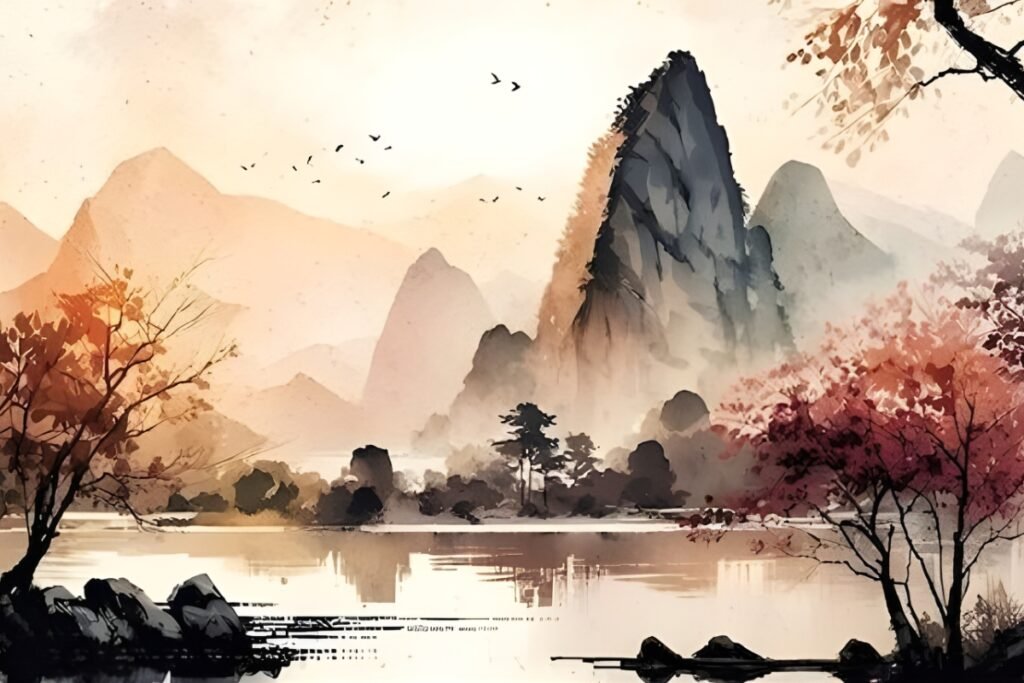
Art Painting Chinese is a timeless treasure that blends history, philosophy, and breathtaking visual mastery. Often referred to as traditional Chinese art, it has evolved over thousands of years, reflecting the culture, values, and emotions of one of the world’s oldest civilizations. From the delicate strokes of Gongbi painting to the expressive freedom of Xieyi and ink wash techniques, every piece of Chinese art carries hidden secrets and profound meanings. Whether it’s an intricate landscape painting capturing misty mountains and flowing rivers or a detailed floral depiction symbolizing prosperity, these artworks are more than decoration—they are a living narrative of Chinese history and philosophy.
Throughout its evolution, Chinese painting has maintained a proven mastery of brushwork, color symbolism, and composition, influencing contemporary art worldwide. Collectors, enthusiasts, and artists are drawn not only to its visual beauty but also to the timeless stories and symbolic depth embedded in every stroke. In this guide, we reveal the shocking truths and ultimate secrets of Art Painting Chinese, uncovering its history, diverse styles, and cultural significance, helping readers truly appreciate the enduring magic of Chinese brush painting.
Table of Contents
The Origins and Historical Significance of Chinese Painting
The origins of Chinese painting trace back over 5,000 years, beginning in the Neolithic period with pottery decorations and early symbolic drawings. Unlike Western traditions that emphasized realistic representation, ancient Chinese painting aimed to convey inner feelings, moral teachings, and harmony with nature.
During the Han dynasty, painting evolved into a sophisticated art form, often created on silk scrolls, featuring landscapes, birds, and mythological figures. These early works were not only decorative; they were spiritual records and philosophical statements, establishing the foundation for all future Chinese brush painting.
Even the most subtle ink stroke in a traditional piece carries meaning, making every painting a timeless story of culture and mastery.
Core Styles of Art Painting Chinese
Over centuries, Chinese painting developed diverse styles that continue to inspire both artists and collectors. Here are the proven and timeless techniques that define this art form:
Gongbi (工笔) – Meticulous Realism
Gongbi is known for its incredible detail and precision, often used for portraits, court scenes, and imperial art. Each brushstroke is carefully controlled, conveying elegance and narrative depth. This style emphasizes color symbolism and elaborate composition, making it a shocking yet refined masterpiece.
Shuimo (水墨) – Ink Wash Painting
Shuimo uses black ink with varying intensity to create gradients, shades, and subtle textures. Rooted in Daoist philosophy, it captures harmony between humans and nature. Its minimalistic approach allows hidden emotional depth to emerge through every brushstroke. Landscapes, bamboo, and mountains dominate this style, reflecting profound philosophical thought.
Xieyi (写意) – Expressive Freehand
Xieyi, meaning “writing ideas,” is spontaneous and emotion-driven. Rather than focusing on realistic detail, Xieyi captures the spirit and essence of subjects. Animals, birds, and flowers come alive in a few bold strokes, leaving the viewer a chance to discover hidden meanings.
Cultural and Philosophical Influence
Confucianism shaped moralistic and ritual art, while Daoism emphasized balance, nature, and inner peace. Buddhism contributed spiritual symbolism, influencing painting subjects and styles. Every stroke reflects not just aesthetics but proven philosophical mastery passed down through centuries.
Shocking Secrets Behind Chinese Painting Techniques
Chinese painting combines materials, tools, and techniques that create its distinctive beauty.
- Brushes: Made from animal hair, they allow flexibility, precision, and expressive brushwork.
- Ink and Inkstones: High-quality ink is essential for gradients, depth, and long-lasting vibrancy.
- Paper and Silk: These absorb ink uniquely, preserving delicate strokes and enhancing texture.
Techniques like line precision, controlled brush movement, and composition rules create ultimate balance between emptiness and detail. Colors carry hidden meanings: red conveys happiness, black represents depth, and gold symbolizes wealth.
Even modern contemporary Chinese art continues to use these traditional techniques, blending ancient mastery with innovative expression.
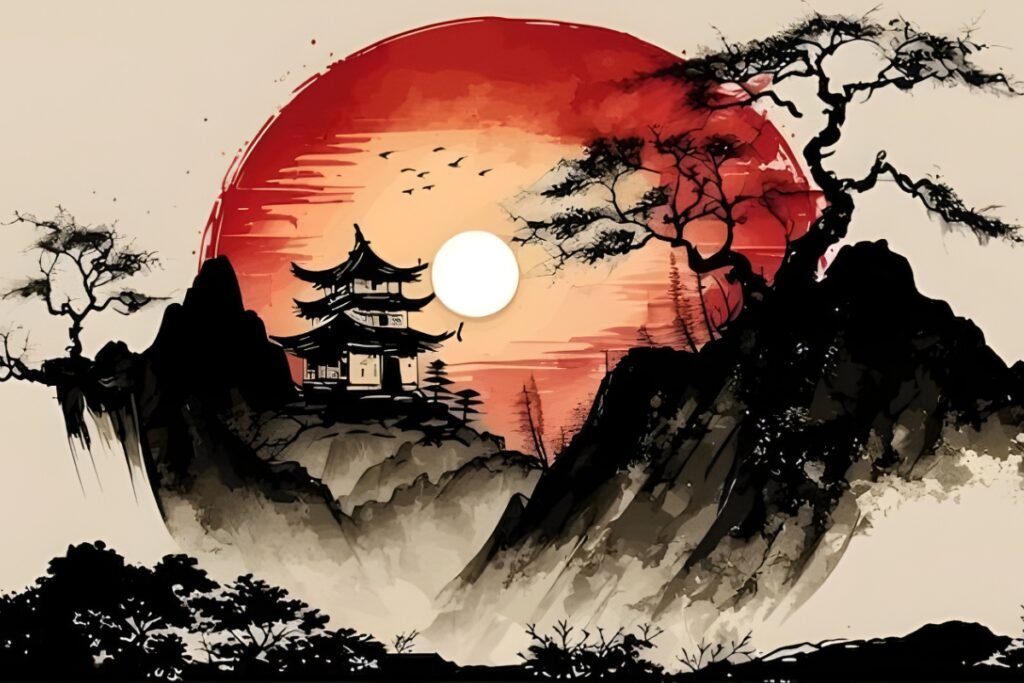
The Deep Meanings in Traditional Chinese Art
Every element in a Chinese painting carries symbolic value:
- Peony: Wealth, honor, and prosperity
- Lotus: Purity and spiritual awakening
- Bamboo: Resilience, flexibility, and endurance
- Cranes: Longevity and immortality
Understanding these symbols offers a secret key to appreciating the art fully, revealing the hidden philosophy and stories that are invisible at first glance.
Even in Chinese landscape painting, mountains symbolize stability, rivers represent continuity, and mist reflects mystery—each contributing to a timeless narrative of nature and humanity.
Modern Influence and Evolution
While traditional methods dominate, Chinese painting has evolved to include modern materials, abstract concepts, and contemporary designs. Today, artists worldwide integrate Western techniques with traditional Chinese elements, resulting in shocking and visually powerful artworks.
Collectors and enthusiasts are drawn to these modern interpretations, as they combine the timeless philosophy of ancient art with fresh, proven aesthetic appeal.
How to Appreciate and Collect Chinese Art
Appreciating and collecting Chinese paintings involves more than surface beauty:
- Study Historical Context: Knowing the dynasty, style, and philosophy deepens understanding.
- Examine Brush Techniques: The skill and emotion of the artist shine through in brushwork.
- Look for Seals and Inscriptions: These confirm authenticity and historical value.
- Engage with Symbolism: Recognizing hidden meanings enhances appreciation.
For collectors, even contemporary Chinese brush paintings hold proven long-term value, making them both emotionally and financially rewarding.
FAQ: Art Painting Chinese
1. What is the difference between Gongbi and Xieyi?
Gongbi is meticulous, detailed, and formal, whereas Xieyi is expressive, freehand, and emotion-driven, capturing the essence rather than the exact appearance.
2. Why are Chinese paintings often on silk or rice paper?
Silk and rice paper absorb ink in a unique way, allowing delicate strokes and subtle shades, preserving the hidden mastery of brushwork for centuries.
3. What are common themes in Chinese landscape painting?
Mountains, rivers, bamboo, birds, and seasonal changes dominate, symbolizing nature, harmony, and philosophical balance.
4. How can I start collecting Chinese paintings?
Start by studying styles, historical context, and symbolism. Consult experts, verify authenticity, and choose pieces that resonate emotionally and aesthetically.
5. Are Chinese paintings only black and white?
No. Ink wash paintings often appear monochrome, but Gongbi and modern styles use vibrant, symbolic colors to convey meaning and emotion.
Proven Tips for Buying Authentic Chinese Paintings
- Check the Seal: Traditional artists leave signature seals as proof of authenticity.
- Verify Materials: Genuine silk or rice paper indicates historical and artistic value.
- Research Provenance: Understanding the painting’s history is essential for credibility.
- Know the Styles: Familiarity with Gongbi, Xieyi, and Shuimo helps distinguish originals from forgeries.
Collectors who follow these proven strategies gain not only rare treasures but also a deep cultural connection to Chinese heritage.
Why Art Painting Chinese Still Matters
Chinese painting is more than decoration; it is philosophy, history, and identity on paper. Its influence extends to modern design, global art trends, and contemporary brush painting. For enthusiasts and collectors alike, these works offer hidden secrets, timeless wisdom, and proven aesthetic power.
By understanding Art Painting Chinese, you tap into a living legacy of creativity, emotion, and mastery that continues to inspire the world.
Conclusion
Art Painting Chinese is much more than a visual delight—it is a timeless reflection of culture, philosophy, and history. From the intricate precision of Gongbi painting to the expressive spontaneity of Xieyi and ink wash techniques, each artwork reveals the hidden mastery and profound symbolism that have been passed down through centuries. The beauty of traditional Chinese art lies not only in its aesthetics but also in the shocking depth of meaning behind every stroke, color, and composition.
Understanding these masterpieces allows collectors, enthusiasts, and artists to connect with the spiritual and cultural essence of China. Symbols like the lotus, peony, bamboo, and cranes offer insights into values such as purity, resilience, prosperity, and longevity, making each painting a living narrative of Chinese heritage. Moreover, modern interpretations continue to blend ancient techniques with contemporary creativity, ensuring that Chinese painting remains both timeless and relevant in today’s global art scene.
By exploring the history, styles, and traditional meanings of Art Painting Chinese, readers gain access to the proven secrets and ultimate beauty that make this art form enduringly captivating, inspiring, and invaluable.