
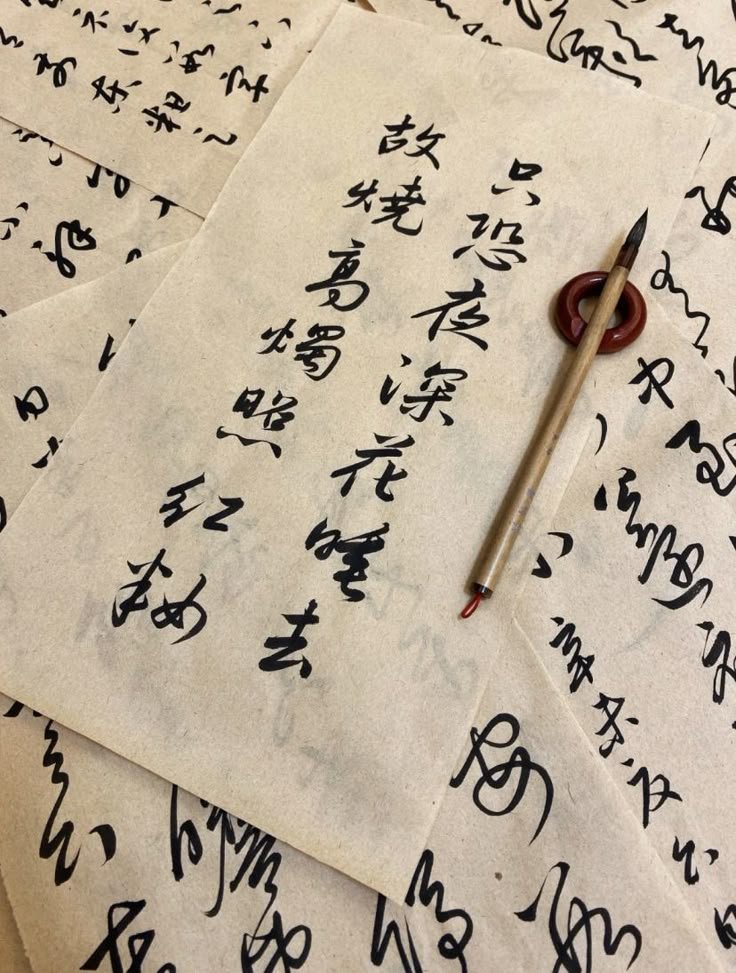
Calligraphy in China history is one of the most influential and enduring art forms in the world. More than mere writing, it represents a unique blend of art, philosophy, and cultural identity that has evolved over more than three thousand years. From its earliest origins on oracle bones during the Shang Dynasty to the highly refined scripts of later dynasties, calligraphy in China history reflects the values, intellect, and aesthetics of Chinese civilization. This ancient art has been deeply intertwined with education, governance, and spiritual practices, with scholars and officials often judged by the quality of their brushwork.
Beyond its historical and cultural significance, calligraphy also offers modern practitioners benefits such as improved focus, emotional balance, and a deeper appreciation for traditional Chinese philosophy. In this article, we explore the origins, evolution, and cultural significance of calligraphy in China history, uncovering insights and secrets that continue to captivate artists, historians, and enthusiasts worldwide.
Table of Contents
What Is Chinese Calligraphy?
At its core, Chinese calligraphy is the art of writing Chinese characters with a brush and ink — but it transcends mere writing. It’s a philosophical practice, a visual expression of the writer’s spirit, and one of the most treasured traditional Chinese arts. In Chinese culture, good calligraphy is a mark of refinement, wisdom, and moral character.
Ancient Origins — Where It All Began
The origins of Calligraphy in china history trace back to the Shang Dynasty (c. 1600–1046 BCE). The earliest recognizable written forms appear on oracle bones — animal bones and turtle shells used for divination. These inscriptions represent the first systematic use of symbols that became the foundation of all future Chinese scripts.
Oracle Bone Script was more than practical communication; it was believed to link the human to the divine, showing that calligraphy began as a spiritual and political tool, not just art.
Calligraphy in China History: How It Evolved Over Time
Bronze Script (Jiǎwén)
Used primarily between the Shang and Zhou dynasties, this script was engraved on bronze ceremonial vessels. Its ornamental strokes hinted at the aesthetics that would later define classical calligraphy.
Seal Script (Zhuànshū)
Popular during the Qin Dynasty (221–206 BCE), the seal script was standardized by the first emperor of China. Its uniformity and symmetry made it both functional and highly artistic. It’s still used today on name seals and official stamps.
Clerical Script (Lìshū)
Emerging during the Han Dynasty (206 BCE–220 CE), this script marked a turning point toward efficiency and readability. Its sweeping horizontal strokes foreshadowed the expressive designs of later forms and helped transition calligraphy from utility to artistry.
Regular Script (Kǎishū)
Developed in the Wei-Jin period, this script became the foundation of modern Chinese writing. Its clear structure and balanced form make it the most widely practiced and taught today.
Running Script (Xíngshū) & Cursive Script (Cǎoshū)
These scripts are the heart of expressive calligraphy. Running Script maintains legibility while adding fluid motion, whereas Cursive Script is wild, emotional, and often compared to abstract painting. Together, they allow calligraphers to blend technique and personal expression.
Cultural Importance — More Than Beautiful Characters
Chinese calligraphy isn’t decorative; it is culturally sacred. Traditional belief holds that writing reveals the inner character of the calligrapher. Scholars and officials were judged on their handwriting as much as their wisdom.
Calligraphy connects deeply with:
- Confucianism — discipline, respect, and moral cultivation
- Daoism — fluidity, harmony with nature
- Buddhism — mindfulness and spiritual balance
It was also a cornerstone of the Imperial Examination System, where mastery of brushwork indicated intellectual and moral superiority.
Masters Who Shaped Chinese Calligraphy
Certain figures elevated calligraphy to legendary status:
Wang Xizhi (303–361 CE)
Known as the “Sage of Calligraphy”, Wang’s Preface to the Orchid Pavilion Gathering is considered a masterpiece of fluidity and spiritual depth.
Yan Zhenqing (709–785 CE)
A heroic figure whose bold, forceful style became a model for generations.
Zhao Mengfu (1254–1322)
A scholar-artist who revived classic forms with elegant expressiveness.
These masters didn’t just write — they defined aesthetic standards still studied today.
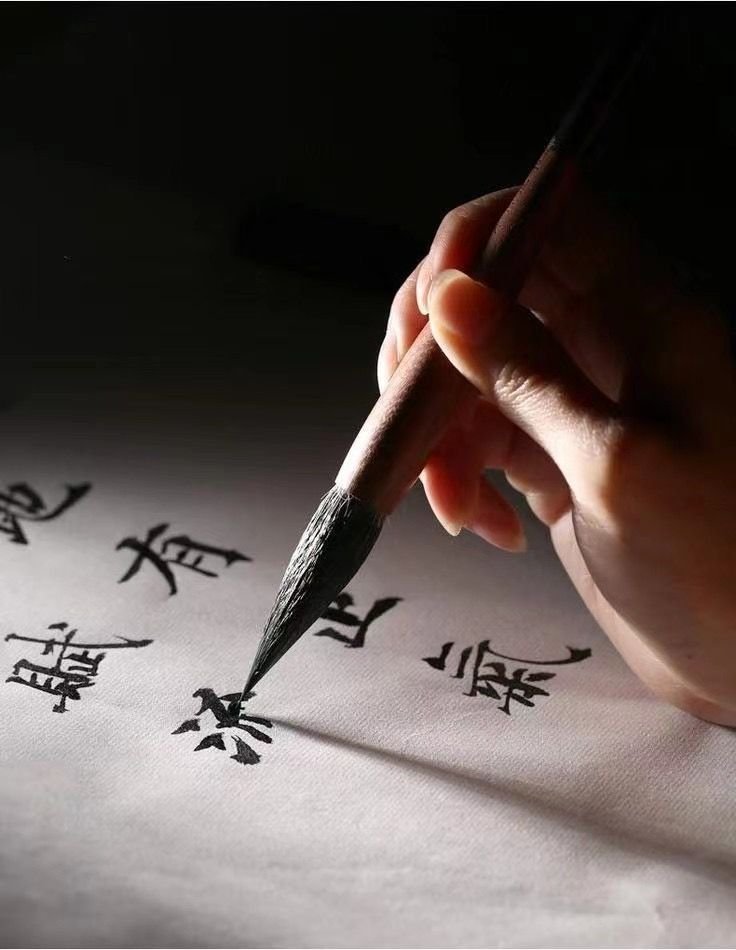
Tools That Made the Art Eternal — The Four Treasures
The Four Treasures of the Study are essential for authentic calligraphy practice:
- Brush (毛笔, máobǐ) — flexible and sensitive, capturing emotion and rhythm.
- Ink (墨, mò) — traditionally made from soot for deep, lasting blacks.
- Paper (纸, zhǐ) — absorbent xuan paper allows strokes to breathe.
- Inkstone (砚, yàn) — the tool where water and ink merge, symbolizing preparation and intention.
These tools represent not just craft, but mindfulness, patience, and devotion.
How Calligraphy Influenced Chinese Thought and Society
Calligraphy guided architecture, painting, literature, and governance. Inscriptions on temples, integration in paintings, and the visual power of official documents show how deeply this art influenced Chinese civilization.
Every dynasty used calligraphy to reflect its political pulse and cultural priorities, making it both an artistic mirror and a historical record.
Proven Benefits of Practicing Calligraphy Today
Even in the digital age, calligraphy offers transformational benefits:
- Enhanced Focus and Patience — Every stroke demands full attention.
- Improved Fine Motor Skills — Brush control boosts coordination and precision.
- Stress Relief and Emotional Balance — A meditative practice that calms the mind.
- Deep Cultural Appreciation — Connects learners to Chinese history, language, and philosophy.
Calligraphy connects practitioners to an ancient lineage of thinkers and artists.
FAQs — Essential Insights Answered
Q1: When did Chinese calligraphy first begin?
It began with oracle bone script during the Shang Dynasty (c. 1600–1046 BCE).
Q2: What is the most important script in Chinese calligraphy?
Regular Script (Kǎishū) is foundational for modern writing, while Cursive and Running Scripts allow for personal artistic expression.
Q3: Why is calligraphy so culturally significant in China?
It reflects moral discipline, philosophical depth, and aesthetic refinement, shaping education, governance, and art.
Q4: Do I need to know Chinese to practice calligraphy?
No. Beginners can start with stroke practice, learning meaning over time.
Q5: What are the basic tools for Chinese calligraphy?
The Four Treasures: brush, ink, paper, and inkstone.
Q6: Can practicing calligraphy improve mental health?
Yes. It enhances mindfulness, reduces stress, and improves concentration.
Q7: Who is the greatest calligrapher in Chinese history?
Wang Xizhi is widely regarded as the greatest, especially for Running Script.
Conclusion
Calligraphy in China history is not merely an artistic practice; it is a living testament to the country’s rich cultural heritage, philosophical depth, and historical evolution. From its earliest beginnings on oracle bones to the sophisticated scripts of later dynasties, calligraphy has reflected the values, intellect, and aesthetics of Chinese society across centuries. It bridges the gap between visual art and written language, offering a unique medium through which human emotion, thought, and spirituality are expressed.
The enduring influence of master calligraphers, such as Wang Xizhi and Yan Zhenqing, continues to inspire artists and enthusiasts, while the Four Treasures of the Study—brush, ink, paper, and inkstone—remain central to mastering this timeless craft. Beyond its historical and cultural significance, practicing calligraphy today provides tangible benefits, including improved focus, emotional balance, and a deeper appreciation for Chinese philosophy and tradition.
Ultimately, Chinese calligraphy stands as a symbol of human creativity, discipline, and the unbroken connection between past and present. Its legacy continues to captivate, educate, and inspire, proving that this ancient art form remains as relevant and powerful today as it was thousands of years ago.