
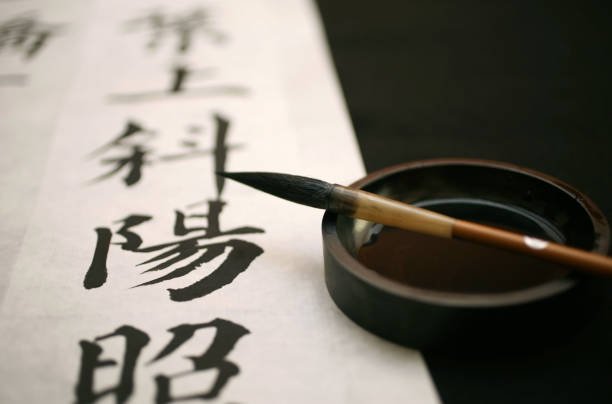
Calligraphy of chinese is more than just writing—it is a revered art form deeply connected to history, culture, and tradition. For over 2,000 years, scholars and artists have used a specific set of materials to create expressive and intricate characters.
These materials, known as the “Four Treasures of the Study” (文房四寶), include the brush (毛筆), ink (墨), paper (宣纸), and inkstone (硯台). Each plays a crucial role in shaping the style, texture, and durability of calligraphy works.
Despite advancements in digital technology, traditional Calligraphy of Chinese materials remain in high demand among artists, collectors, and cultural institutions.
From handmade Huzhou brushes to the UNESCO-recognized Xuan paper, these materials hold historical significance and continue to influence modern Calligraphy of Chinese practices.
In this blog, we will explore each of these essential tools, their uses, and real-world case studies that highlight their continued relevance.
Whether you are an artist, historian, or cultural enthusiast, understanding these materials provides insight into one of China’s most enduring artistic traditions.
calligraphy of chinese is a fundamental art form that has shaped the cultural and historical landscape of China for centuries. It relies on specific materials that influence the quality, texture, and longevity of written characters.
The four essential tools, collectively known as the “Four Treasures of the Study” (文房四寶), include the brush (毛筆), ink (墨), paper (宣纸), and inkstone (硯台). Each of these components plays a distinct role in achieving different artistic effects.
This guide provides a detailed exploration of these traditional materials, their properties, and how they are used in calligraphy of chinese.
Table of Contents
1. The Calligraphy Brush (毛筆)
The calligraphy brush is the primary tool in Chinese calligraphy, determining the stroke’s flexibility, texture, and variation. It consists of four main parts: the brush tip, the brush body, the ferrule, and the handle.
Types of Brush Hair
Calligraphy of Chinese brushes are categorized based on the type of animal hair used. The hair type affects ink absorption, stroke control, and durability.
- Soft Brushes – Made from goat hair, these are highly absorbent and ideal for cursive or flowing styles. They produce smooth, rounded strokes and require steady hand control.
- Hard Brushes – Made from weasel, rabbit, or other stiff hairs, these brushes provide precision and control. They are commonly used for smaller characters and detailed Calligraphy of Chinese.
- Mixed Brushes – Combining soft and hard hairs, these brushes balance flexibility and sharpness, making them versatile for different calligraphy styles.
Sizes and Shapes
- Small Brushes – Used for fine, detailed writing and intricate scripts.
- Medium Brushes – A common choice for general calligraphy practice and balanced strokes.
- Large Brushes – Suitable for bold, expressive writing, particularly in artistic calligraphy.
Brush Maintenance
To ensure longevity, proper care is essential:
- Cleaning – After use, rinse with clean water to remove excess ink.
- Drying – Hang the brush tip downward to prevent water from damaging the ferrule and handle.
- Storage – Store brushes in a ventilated area to prevent mold or stiffness.
2. Ink (墨)
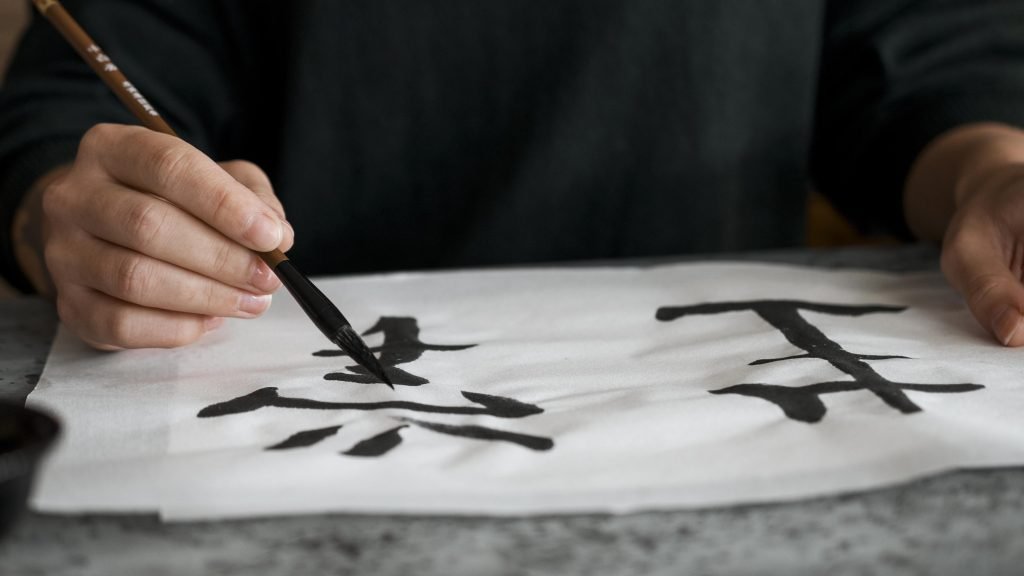
Traditional Chinese ink is an essential material in calligraphy of chinese, defining the depth, saturation, and longevity of the written characters. Ink is typically made from soot and natural binders, forming solid ink sticks that are ground on an inkstone with water to create liquid ink.
Types of Ink
- Pine Soot Ink – Made from pinewood soot, this ink has a matte black finish, commonly used for soft, expressive calligraphy.
- Oil Soot Ink – Derived from burnt vegetable oils, this ink produces a glossy black finish and is preferred for formal writing and artwork.
- Liquid Ink – Modern ready-to-use ink bottles provide convenience but lack the depth and subtle tonal variations of ground ink sticks.
Ink Quality Factors
The quality of ink depends on several factors:
- Color Intensity – High-quality ink maintains deep black tones without fading.
- Consistency – Good ink should flow smoothly without clogging the brush.
- Adhesion – Properly prepared ink adheres well to paper, preventing excessive bleeding or smudging.
How to Prepare Ink from an Ink Stick
- Add a small amount of clean water to the inkstone.
- Hold the ink stick at a slight angle and grind it in circular motions.
- Continue grinding until the ink reaches the desired consistency.
- Test the ink by applying a stroke on paper to check its smoothness and saturation.
Ink preparation is a meditative process that allows calligraphers to control ink concentration based on artistic needs.
3. Paper (宣纸)
Xuan paper is the preferred choice for traditional Chinese calligraphy due to its absorbency, durability, and smooth texture. It has been produced in Anhui Province for over a thousand years and remains a vital material for both calligraphy and Chinese painting.
Types of Xuan Paper
- Raw (Unprocessed) Xuan Paper – This highly absorbent paper allows ink to spread naturally, creating soft and fluid strokes. It is suitable for expressive calligraphy styles.
- Processed Xuan Paper – Treated with gelatin or alum, this paper reduces ink spread and provides sharper, controlled strokes. It is ideal for detailed and precise writing.
- Semi-Processed Xuan Paper – A balance between raw and processed paper, offering moderate ink absorption and control.
Paper Thickness and Texture
- Thin Xuan Paper – Lightweight and delicate, suited for small characters and intricate calligraphy.
- Thick Xuan Paper – More durable, commonly used for large characters and long scrolls.
- Single-Layered Paper – Suitable for everyday practice and standard writing.
- Multi-Layered Paper – Designed for professional calligraphy and artwork, ensuring longevity.
How to Handle and Store Xuan Paper
- Handling – Avoid touching the writing surface with oily or damp hands to prevent stains.
- Storage – Keep paper in a dry, flat environment to prevent curling or yellowing.
- Mounting – Calligraphy works on Xuan paper are often mounted on silk scrolls for preservation.
Proper handling and storage maintain the integrity of the paper, ensuring calligraphy remains intact for years.
4. Inkstone (硯台)
The inkstone is a carved stone surface used to grind ink sticks into liquid ink. It is a crucial tool for controlling ink consistency, ensuring smooth application onto paper.
Types of Inkstones
- Duan Inkstones (端硯) – Sourced from Guangdong Province, these inkstones have a fine texture, allowing smooth grinding without damaging ink sticks.
- She Inkstones (歙硯) – Found in Anhui Province, these dark-colored inkstones retain moisture well, preventing ink from drying too quickly.
- Taohe Inkstones (洮河硯) – Made from stone in Gansu Province, these are prized for their unique appearance and historical value.
How to Use an Inkstone
- Add a few drops of water to the inkstone’s surface.
- Grind the ink stick in circular motions, applying light pressure.
- Continue grinding until the ink reaches a smooth, consistent flow.
- Adjust water levels based on the desired ink concentration.
Inkstone Maintenance
- Cleaning – Rinse with water after use to prevent ink residue buildup.
- Drying – Wipe with a soft cloth and store in a cool, dry place.
- Protection – Avoid dropping the inkstone, as its stone structure is prone to chipping.
A well-maintained inkstone enhances the calligraphy experience by providing consistent ink texture and preventing excess waste.
5. The Role of Traditional Materials in Modern Calligraphy
Despite technological advancements, traditional calligraphy materials remain relevant in contemporary practice. Artists, educators, and cultural institutions continue to use the Four Treasures for artistic expression, education, and preservation of cultural heritage.
Artistic Expression
- Professional calligraphers prefer handmade brushes and Xuan paper for their unique textures and ink absorption properties.
- Ink wash painting combines calligraphy with artistic brushwork, requiring traditional ink and paper.
Education and Cultural Preservation
- Schools and universities offer calligraphy courses to teach classical writing techniques using traditional materials.
- Museums and exhibitions display historical calligraphy works, emphasizing the significance of handmade brushes, ink, and paper.
Calligraphy in Business and Branding
- Luxury brands incorporate hand-brushed calligraphy into packaging and advertisements to enhance authenticity.
- Custom calligraphy is used in invitations, logos, and decorative art for a personalized touch.
Traditional materials continue to shape modern calligraphy of chinese by providing an authentic, high-quality writing experience that cannot be replicated by digital methods.
Conclusion
Traditional Chinese calligraphy materials—the brush, ink, paper, and inkstone—are not just tools but integral elements that define the art’s authenticity, precision, and expressive quality.
Each material has been refined over centuries, preserving a legacy that continues to shape calligraphy practices today.
The brush determines the style and flexibility of strokes, ink influences depth and texture, paper affects absorbency and longevity, while the inkstone ensures smooth ink preparation.
Despite advancements in digital writing and printing, these traditional materials remain relevant. Artists and calligraphy enthusiasts still prefer handmade brushes and high-quality Xuan paper for their unique characteristics.
Educational institutions incorporate calligraphy into their curricula, ensuring that students learn classical techniques using these materials. Businesses also recognize the cultural value of hand-brushed calligraphy, incorporating it into branding and design.
The continued use of these materials underscores their importance in preserving Chinese heritage. Whether for artistic expression, education, or cultural appreciation, the Four Treasures of the Study remain a fundamental part of calligraphy.
Their role in modern applications ensures that this ancient art form remains vibrant and valued for generations to come.