
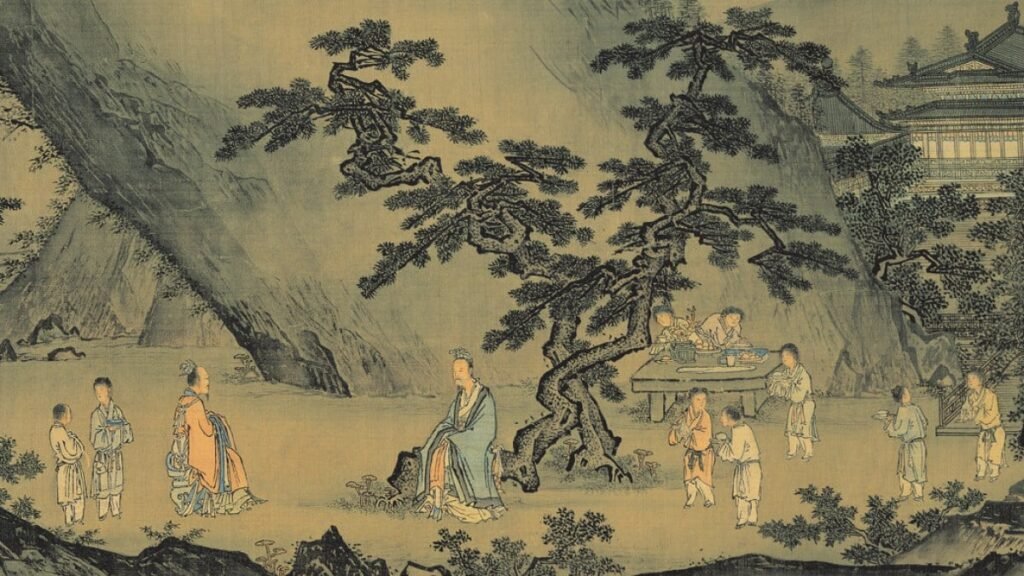
Art in ancient China is a reflection of one of the world’s oldest civilizations, combining history, philosophy, and daily life into tangible forms. From the earliest inscriptions on oracle bones to the delicate brushstrokes of landscape paintings, Chinese art has evolved over thousands of years, shaping and reflecting the values of society. Unlike purely decorative traditions, ancient Chinese art often served multiple purposes—it recorded history, expressed moral and philosophical ideas, and represented social and spiritual hierarchies.
The most important types of ancient Chinese art include calligraphy, painting, sculpture, ceramics, jade carving, architecture, bronze casting, and silk weaving. Each of these art forms follows unique techniques, materials, and principles, yet all share a focus on balance, harmony, and symbolism. For instance, calligraphy transforms writing into a visual expression of thought, while landscape paintings convey philosophical ideas about nature. Sculptures and bronze artifacts highlight ritual and ceremonial significance, whereas ceramics, jade, and silk reveal the technological and aesthetic advancements of the time.
This guide provides a detailed exploration of each art form, explaining their characteristics, methods, and cultural importance. By understanding these key artistic traditions, readers gain a clear perspective on how art shaped life and thought art in ancient China.
Table of Contents
1. Calligraphy: Writing as Art
Calligraphy is one of the most valued art forms art in ancient China. It is not only a method of writing but also a form of artistic expression. Each stroke, line, and character conveys meaning, balance, and rhythm.
Types of Scripts
- Seal Script (篆书, Zhuànshū): Early style used in inscriptions and formal seals.
- Clerical Script (隶书, Lìshū): Developed for faster writing during the Han Dynasty, with broad and flat strokes.
- Regular Script (楷书, Kǎishū): Standardized form, widely used for formal writing.
- Running Script (行书, Xíngshū): Semi-cursive, allowing fluid and faster writing.
- Cursive Script (草书, Cǎoshū): Highly expressive style, often used for artistic purposes.
Materials Required
- Brush: Different sizes for different strokes.
- Ink: Usually made from pine soot and water.
- Paper or Silk: Absorbs ink for brushwork.
- Inkstone: For grinding ink and controlling consistency.
Techniques
- Brush Pressure: Variation in pressure changes the thickness of strokes.
- Stroke Order: Proper stroke order ensures balance and legibility.
- Speed and Flow: Faster strokes create energy; slower strokes provide control.
- Spacing: Even spacing maintains harmony across characters.
Importance
Calligraphy combines literature, philosophy, and art. It enhances intellectual and aesthetic skills, making it central to education, culture, and official life.
2. Painting: Landscapes, Figures, and Narrative Scenes
Painting is another major art form that integrates philosophy and nature. Ancient Chinese paintings often convey harmony, emotion, and symbolism.
Major Genres
- Landscape Painting (山水画, Shānshuǐhuà): Focuses on mountains, rivers, and natural scenery. Uses perspective and brushwork to create depth.
- Figure Painting (人物画, Rénwùhuà): Depicts humans, social life, and historical events.
- Bird-and-Flower Painting (花鸟画, Huāniǎohuà): Illustrates plants, birds, and seasonal motifs. Symbolizes good fortune and moral values.
Materials
- Silk or Paper: Primary surfaces for painting.
- Ink and Mineral Pigments: Black ink for outlines, colored pigments for highlights.
- Brushes: Soft and stiff varieties for different strokes.
Techniques
- Brush Strokes: Used to create texture, motion, and shading.
- Ink Wash: Layered ink to convey depth and atmosphere.
- Composition: Balancing elements to guide the viewer’s eye.
- Perspective: Uses vertical and overlapping techniques rather than linear perspective.
Importance
Painting reflects philosophical ideas, especially Daoist and Confucian principles. It communicates harmony with nature and expresses emotions and thoughts visually.
3. Sculpture: Stone, Bronze, and Wood
Sculpture art in ancient China includes objects for religious, ceremonial, and decorative purposes. It demonstrates skill, creativity, and cultural values.
Types of Sculpture
- Stone Sculpture: Monuments, tomb carvings, and architectural elements.
- Bronze Sculpture: Ritual vessels, statues, and weapons.
- Wood Sculpture: Decorative elements and religious statues.
Materials and Tools
- Stone: Chisels and hammers.
- Bronze: Molds, furnaces, and casting tools.
- Wood: Knives and carving tools.
Techniques
- Carving: Removing material to create shapes and patterns.
- Casting: Pouring molten bronze into molds.
- Polishing: Smoothing surfaces for finish and details.
- Engraving: Adding intricate patterns or inscriptions.
Importance
Sculpture communicates religious beliefs, social hierarchy, and cultural identity. It is also functional, used in ceremonies and as memorials.
4. Ceramics and Pottery
Ceramics are a combination of practicality and artistic expression. Ancient Chinese pottery evolved from simple clay vessels to high-quality porcelain.
Types of Ceramics
- Earthenware: Low-fired, simple vessels for everyday use.
- Stoneware: Durable, high-fired items for storage and cooking.
- Porcelain: Fine, translucent, and highly valued for trade and status.
Materials and Tools
- Clay: Base material for shaping vessels.
- Kiln: For firing and strengthening pottery.
- Glazes: Provide color, shine, and protection.
Techniques
- Wheel Throwing: Forms symmetrical vessels.
- Hand Shaping: For irregular or decorative designs.
- Glazing and Firing: Ensures color, texture, and durability.
- Decoration: Incising, painting, or stamping patterns before firing.
Importance
Ceramics reflect daily life, aesthetics, and technology. They were used domestically, ritually, and commercially.
5. Jade Carving
Jade was highly valued for its durability and symbolic meaning art in ancient China. It was used for personal, ceremonial, and decorative items.
Types of Jade Objects
- Jewelry: Bracelets, pendants, and beads.
- Ritual Items: Bi disks, cong tubes, and ceremonial blades.
- Decorative Figures: Animals and symbolic carvings.
Materials and Tools
- Jade Stones: Nephrite and later jadeite.
- Abrasive Tools: Sand and harder stones for carving.
Techniques
- Carving: Shaping jade with precision and patience.
- Polishing: Smooth surfaces and highlight details.
- Engraving: Adding lines, symbols, or patterns.
Importance
Jade symbolizes purity, moral integrity, and immortality. It was used by nobility, religious figures, and for ceremonial purposes.
6. Architecture and Garden Design
Ancient Chinese architecture combines functionality, symbolism, and aesthetics. Garden design extends these principles, creating harmonious spaces.
Key Architectural Features
- Timber Framework: Post-and-beam construction with flexibility.
- Curved Roofs: Prevent water damage and indicate social status.
- Symmetry: Layouts reflect order and balance.
- Courtyards: Central open spaces for light, air, and social interaction.
Garden Design Principles
- Natural Harmony: Rocks, water, and plants arranged for balance.
- Paths and Pavilions: Guide movement and perspective.
- Symbolism: Elements represent philosophical ideas and cultural beliefs.
Importance
Architecture and gardens reflect social hierarchy, spiritual beliefs, and philosophical ideas. They are functional, symbolic, and aesthetic at the same time.
7. Bronze Casting: Ritual and Decorative Art
Bronze casting was essential art in ancient China for creating ceremonial objects, tools, and decorative items. It combines technical skill and artistic design.
Types of Bronze Objects
- Ritual Vessels: Ding, jue, and gui used in ceremonies.
- Weapons: Spears, swords, and arrowheads.
- Decorative Items: Figurines and plaques with patterns.
Materials and Tools
- Bronze Alloy: Copper and tin mixture.
- Molds: For shaping objects.
- Furnaces: For melting metal.
Techniques
- Piece-Mold Casting: Reusable molds for detailed designs.
- Engraving: Patterns and inscriptions added before or after casting.
- Polishing: Smoothing and refining the final object.
Importance
Bronze art demonstrates technical innovation, religious beliefs, and social hierarchy. Ritual bronzes were central to worship and status.
8. Silk Weaving and Embroidery
Silk art combines craftsmanship with visual design. It was used for clothing, banners, and ceremonial items.
Types of Silk Art
- Woven Silk: Patterns created during weaving.
- Embroidered Silk: Decorative designs sewn onto fabric.
- Silk Paintings: Painted or dyed for artistic purposes.
Materials and Tools
- Silk Threads: Primary material for weaving and embroidery.
- Needles and Looms: For creating patterns and weaving fabric.
- Dyes: Derived from plants, minerals, and insects.
Techniques
- Weaving: Interlacing threads to create patterned fabric.
- Embroidery: Stitching designs using satin stitch, seed stitch, or couching.
- Dyeing: Coloring threads or fabrics for decorative effects.
- Pattern Design: Motifs include animals, flowers, and symbolic figures.
Importance
Silk art reflects status, aesthetics, and trade significance. It was central to clothing, decoration, and ceremonial use.
Conclusion
Art in ancient china, art was more than decoration; it was an essential part of culture, philosophy, and daily life. Each art form—calligraphy, painting, sculpture, ceramics, jade carving, architecture, bronze casting, and silk weaving—played a distinct role in reflecting social values, spiritual beliefs, and technological achievements. Calligraphy and painting expressed intellectual thought and personal emotion, while sculpture and bronze works conveyed ritual significance and authority. Ceramics, jade, and silk showcased craftsmanship and innovation, and architecture and gardens reflected harmony, order, and philosophical principles.
Together, these art forms illustrate the depth and complexity of ancient Chinese civilization. They reveal how aesthetics, functionality, and symbolism were seamlessly integrated into daily life, governance, and spiritual practice. Studying these arts provides insight into the ideals, philosophies, and advancements of art in ancient China , offering a clear understanding of how culture and creativity were interwoven. Even today, the influence of these artistic traditions continues to inspire modern design, craftsmanship, and cultural appreciation worldwide.
Understanding ancient Chinese art allows us to see the civilization’s ingenuity and enduring legacy, showing that art was both a reflection of life and a guiding force for society.