
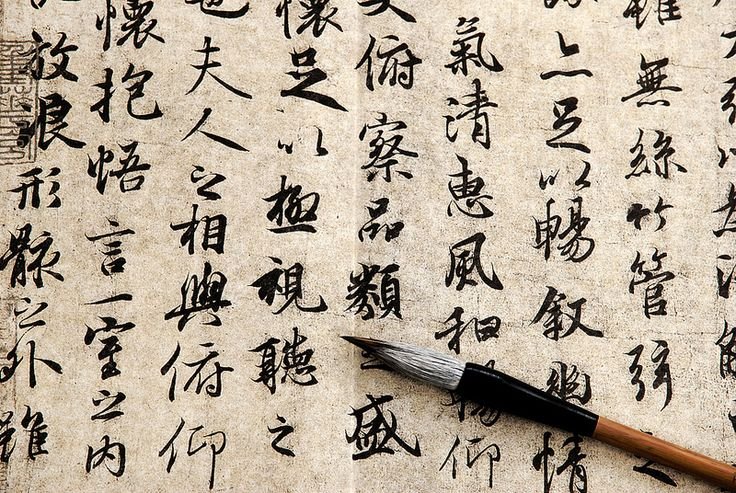
Chinese calligraphy fonts are more than just beautiful text—they are a timeless art form that blends culture, history, and design into every stroke. For designers and beginners alike, mastering the use of these fonts can transform ordinary projects into captivating, visually stunning creations. Unlike standard digital fonts, Chinese calligraphy captures the fluidity, rhythm, and elegance of hand-painted brushwork, giving your designs a unique, authentic touch.
In today’s digital world, where visual impact drives engagement, understanding the different styles of Chinese calligraphy fonts, such as Seal Script, Regular Script, Running Script, and Cursive Script, is essential. Each style conveys a distinct mood, from traditional and formal to expressive and artistic. Choosing the right font is not only about aesthetics—it’s about communicating emotion, culture, and professionalism effectively.
This comprehensive guide dives into the best Chinese calligraphy fonts, practical design tips, and expert techniques that both beginners and professional designers can apply immediately. Whether you are designing posters, websites, logos, or invitations, this guide will help you unlock the full potential of Chinese calligraphy fonts and elevate your creative projects to a whole new level.
Table of Contents
What is Chinese Calligraphy Font?
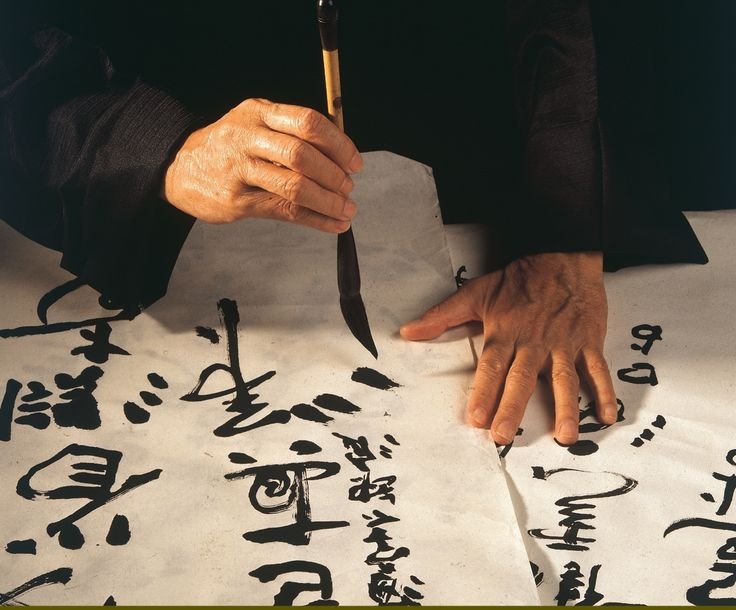
Chinese calligraphy font is more than just stylized writing—it is an art form deeply rooted in culture and history. Each stroke and character carries meaning, emotion, and aesthetic balance. Unlike standard digital fonts, calligraphy fonts capture the fluidity and rhythm of brushwork, allowing designers to bring authenticity and elegance to their projects.
Key aspects of Chinese calligraphy fonts include:
- Stroke Style: Thick, thin, curved, or angular strokes that mimic brush techniques.
- Character Proportions: Harmony between height, width, and spacing.
- Cultural Significance: Reflects centuries of Chinese artistic tradition.
Using these fonts correctly can dramatically impact branding, invitations, posters, and digital content.
Why Designers Love Chinese Calligraphy Fonts
Designers are increasingly incorporating Chinese calligraphy fonts because they stand out, convey timeless elegance, and create visual impact. Here’s why they are a top choice:
- Cultural Authenticity – Perfect for projects targeting Asian markets or Chinese cultural themes.
- Unique Aesthetic – Unlike Latin fonts, calligraphy fonts offer fluid motion and artistic flair.
- Versatility – Ideal for branding, packaging, web design, and social media graphics.
- Emotional Connection – Calligraphy evokes emotion and sophistication, giving your design a premium feel.
READ ALSO: The Timeless Elegance of Chinese Font Calligraphy
Top Styles of Chinese Calligraphy Fonts
Chinese calligraphy fonts are diverse. Understanding the main styles can help you choose the perfect font for your project.
1. Seal Script (篆书, Zhuànshū)
- Origin: Ancient China, often found on seals and official inscriptions.
- Characteristics: Rounded, symmetric, and decorative strokes.
- Usage: Traditional designs, logos, and ceremonial projects.
2. Clerical Script (隶书, Lìshū)
- Origin: Han Dynasty.
- Characteristics: Flat, wide strokes with elegant, sweeping tails.
- Usage: Titles, headings, and designs needing a classic touch.
3. Regular Script (楷书, Kǎishū)
- Origin: Most commonly used script in modern times.
- Characteristics: Clear, readable, and structured strokes.
- Usage: Educational material, digital typography, and professional design.
4. Running Script (行书, Xíngshū)
- Characteristics: Semi-cursive, combining elegance with readability.
- Usage: Invitations, posters, and artistic web designs.
5. Cursive Script (草书, Cǎoshū)
- Characteristics: Highly expressive, flowing strokes.
- Usage: High-impact designs, digital art, and creative branding.
How to Choose the Best Chinese Calligraphy Font for Your Project
Choosing the right font is crucial for impactful design. Here’s a step-by-step guide:
- Identify the Purpose – Are you designing a website, poster, or logo?
- Consider Readability – Cursive fonts are beautiful but may be hard to read at small sizes.
- Match the Tone – Traditional projects suit Seal or Clerical scripts; modern projects suit Regular or Running scripts.
- Check Licensing – Ensure the font is legally available for commercial use.
Pro Tip: Combining a traditional calligraphy font with modern sans-serif fonts can create stunning visual contrast.
Best Chinese Calligraphy Fonts for Designers and Beginners
Here’s a curated list of highly recommended Chinese calligraphy fonts:
- FZShuTi – Ideal for classic elegance and formal designs.
- DFKai-SB – Great for digital content and headings.
- STKaiti – Balanced, readable, and widely used in print and web.
- Hanyi Senty Tang – Cursive style for artistic projects.
- HanWangMingLight – Elegant Regular script font for professional designs.
Tip for Beginners: Start with Regular script fonts to master spacing and proportions before experimenting with cursive styles.
Practical Tips for Using Chinese Calligraphy Fonts in Design
To maximize the impact of your fonts, follow these professional tips:
- Pair Wisely: Combine a calligraphy font with a neutral sans-serif font for balance.
- Maintain Space: Proper line spacing enhances readability and aesthetics.
- Experiment with Color: Red, black, and gold convey tradition and luxury.
- Embrace Minimalism: Let the font breathe—avoid overcrowding your design.
- Test Across Platforms: Fonts can render differently on web and print; always preview.
Shocking Fact: Using authentic calligraphy fonts can increase user engagement by making content emotionally resonant and visually memorable.
Frequently Asked Questions (FAQs)
1. Can beginners use Chinese calligraphy fonts without learning brush techniques?
Yes! Many digital calligraphy fonts are designed for ease of use, allowing beginners to create authentic-looking designs without mastering traditional brushwork.
2. Are Chinese calligraphy fonts free to use?
Some fonts are free for personal use, but commercial use often requires licensing. Always check the font’s license before using it in a project.
3. How do I combine Chinese calligraphy fonts with Latin fonts?
Use calligraphy fonts for headings or decorative elements and pair them with simple Latin fonts for body text to create a harmonious design.
4. Can calligraphy fonts be used in web design?
Absolutely. Modern Chinese calligraphy fonts are web-safe and responsive, enhancing websites, blogs, and social media visuals.
5. What software supports Chinese calligraphy fonts?
Most design software supports these fonts, including Adobe Illustrator, Photoshop, Canva, and Figma.
Advanced Tips for Designers
- Vectorize Fonts: Convert calligraphy fonts to vector for scalable designs.
- Create Custom Strokes: Use brush tools to enhance digital fonts and mimic hand-painted aesthetics.
- Leverage Layer Styles: Add shadows, gradients, or textures for visual depth.
- Study Historical Examples: Understanding traditional calligraphy can inform modern font usage.
Conclusion
Chinese calligraphy font are more than decorative elements—they are a powerful bridge between tradition and modern design. By understanding the unique styles, such as Seal Script, Regular Script, Running Script, and Cursive Script, designers and beginners can choose the perfect font to convey the desired mood, cultural authenticity, and visual impact. Whether you aim for elegance, sophistication, or expressive artistry, these fonts provide unmatched versatility across projects like branding, websites, posters, and invitations.
Mastering Chinese fonts goes beyond simply selecting a typeface. It requires attention to stroke proportions, spacing, and pairing techniques, ensuring readability while maintaining aesthetic beauty. Beginners can start with more structured fonts like Regular Script, while experienced designers may experiment with expressive cursive styles to create stunning, attention-grabbing visuals.
By integrating these fonts thoughtfully, combining them with complementary modern typography, and applying professional design tips, you can elevate your creative projects, leaving a lasting impression on viewers. Chinese fonts are not just fonts—they are a statement of culture, artistry, and design excellence, empowering you to create designs that are both visually striking and culturally meaningful.