
The Chinese Knot Meaning is much more than an intricate decorative pattern—it is a profound reflection of Chinese culture, tradition, and artistic expression. Each knot carries a story, representing concepts like good fortune, longevity, love, and protection. These knots have been a part of Chinese life for over two millennia, appearing in ancient clothing, religious artifacts, and everyday decorative items, evolving into a highly symbolic art form that continues to fascinate people worldwide.
Beyond their aesthetic appeal, Chinese knots served as a visual language, conveying blessings, wishes, and philosophical ideas. From the eternal Pan Chang Knot symbolizing longevity to the Double Coin Knot representing wealth and prosperity, each design carries hidden meanings rooted in tradition, folklore, and Daoist philosophy.
In modern times, Chinese knots remain relevant, adorning jewelry, home decor, fashion accessories, and festival celebrations, connecting the past with contemporary culture. Understanding the true Chinese Knot Meaning allows us to appreciate its historical significance, symbolic depth, and enduring beauty, making it a timeless piece of Chinese decorative art that transcends generations.
Table of Contents
The History of Chinese Knots
The story of the Chinese Knot Meaning begins over 2,000 years ago. Initially, knots were used for practical purposes, such as fastening clothing, holding tools, or recording information. Over time, they evolved into artistic expressions with symbolic value.
- Tang Dynasty (618–907 AD): Knots were decorative elements in royal garments, religious artifacts, and architecture.
- Song Dynasty (960–1279 AD): Knots became popular among the common people, reflecting folk beliefs and cultural stories.
- Ming and Qing Dynasties: Craftsmen perfected complex designs, formalizing the traditional Chinese knots recognized today.
The evolution of these knots illustrates how the Chinese Knot Meaning shifted from functionality to symbolism, cultural identity, and aesthetic art.
Types of Chinese Knots and Their Symbolism
Different knots convey distinct meanings. Understanding the types of Chinese knots helps reveal their hidden messages:
- Pan Chang Knot: Known as the eternal knot, representing longevity, eternal life, and the cycle of existence.
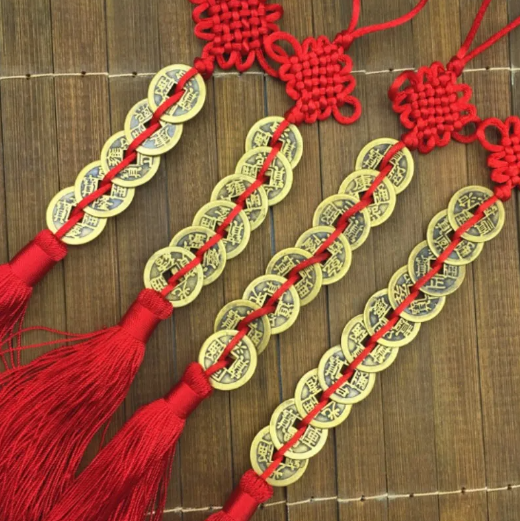
- Double Coin Knot: Symbolizes wealth, prosperity, and success, often seen in weddings and business openings.
- Cloverleaf Knot: Represents love, harmony, and unity, commonly used in bracelets and gifts.
- Button Knot: Traditionally a fastening knot, now a symbol of connection, continuity, and family bonds.
- Cross Knot: Historically believed to ward off evil spirits, bringing peace and safety to households.
These knots are not just decorations; each carries layers of meaning, reflecting Chinese philosophy and folk traditions.
Cultural Significance of Chinese Knots
The Chinese Knot Meaning is deeply intertwined with Chinese philosophy, rituals, and daily life. Knots are more than ornaments—they are symbols of blessings, protection, and moral values.
- Prosperity: Knots such as the Double Coin Knot are tied during festivals to attract financial success.
- Love and Harmony: Cloverleaf Knots are exchanged during weddings or given as gifts to symbolize marital happiness and friendship.
- Longevity and Health: Pan Chang Knots represent well-being, long life, and spiritual balance.
- Protection: Cross Knots were historically hung to ward off negative energy or evil spirits.
Knots also play a major role in cultural celebrations:
- Chinese New Year: Red knots symbolize happiness, luck, and protection.
- Weddings: Knots convey blessings and harmony.
- Gift-giving: Knots elevate gifts by embedding traditional meaning and cultural depth.
Fascinating Secrets About Chinese Knots
The Chinese Knot Meaning holds several secrets that are not commonly known:
- Hidden Messages: Ancient Chinese used knots to communicate secret messages.
- Lucky Numbers: Many knots incorporate numbers with special meaning, such as eight loops for prosperity.
- Spiritual Connections: Knots were seen as a bridge between humans and spiritual forces, reflecting Daoist thought.
These secrets make Chinese knots a combination of art, symbolism, and spiritual tradition.
Modern Applications of Chinese Knots
Today, the Chinese Knot Meaning extends beyond traditional uses. Knots are incorporated in fashion, home decor, and jewelry, combining ancient symbolism with contemporary design:
- Home Decoration: Red knots enhance feng shui energy in homes and offices.
- Jewelry: Bracelets, necklaces, and earrings carry symbolic meanings like luck, love, and protection.
- Fashion Accessories: Knots appear on handbags, clothing, and shoes, adding cultural elegance and style.
The art of Chinese knotting continues to bridge heritage and modern aesthetics, making it relevant today.
How to Make a Simple Chinese Knot
Creating your own knot allows you to experience its meaning firsthand:
- Choose a Cord: Silk or nylon cords work best.
- Start with a Single Loop Knot: This forms the foundation for more complex designs.
- Maintain Symmetry: Loops should be even and tight.
- Try More Complex Designs: Progress to Double Coin or Cloverleaf Knots.
- Finish and Decorate: Add tassels or beads for a polished appearance.
Crafting a knot is not only a creative activity but also a way to connect with Chinese traditions and symbolism.
Frequently Asked Questions (FAQs)
Q1: What is the significance of Chinese knots today?
A: Chinese knots symbolize heritage, good fortune, and artistic beauty, and are widely used in modern fashion, home decor, and gifts.
Q2: Why are Chinese knots often red?
A: Red represents happiness, prosperity, and protection, believed to ward off negative energy.
Q3: Can Chinese knots bring luck?
A: Traditionally, yes. Knots like the Pan Chang Knot and Double Coin Knot are believed to bring wealth, health, and love.
Q4: Are Chinese knots used outside China?
A: Yes, they are popular worldwide in fashion, jewelry, and cultural decorations.
Q5: How long does it take to master Chinese knotting?
A: Simple knots can be learned in hours, while complex designs may require weeks of practice.
Conclusion
The Chinese Knot Meaning is a remarkable testament to the depth and richness of Chinese culture, tradition, and artistry. Each knot tells a story—whether it symbolizes prosperity, love, longevity, or protection, it embodies centuries of folk wisdom, philosophical thought, and cultural heritage. From their origins in ancient dynasties to their intricate designs in Ming and Qing craftsmanship, Chinese knots have evolved into a highly expressive form of decorative art that continues to captivate hearts worldwide.
Today, these knots are more than historical artifacts. They play a meaningful role in modern fashion, jewelry, home decor, and festival celebrations, bridging the past and present while preserving traditional values. Understanding the Chinese Knot Meaning allows us to appreciate not only its aesthetic beauty but also its spiritual and symbolic significance. Each loop, twist, and pattern reflects human emotions, wishes, and cultural identity, making every knot a miniature story of Chinese civilization.
Embracing Chinese knots in daily life—whether through DIY creations, decorative displays, or personal accessories—keeps the tradition alive, allowing this ancient art form to continue inspiring and bringing blessings, luck, and harmony to generations.