
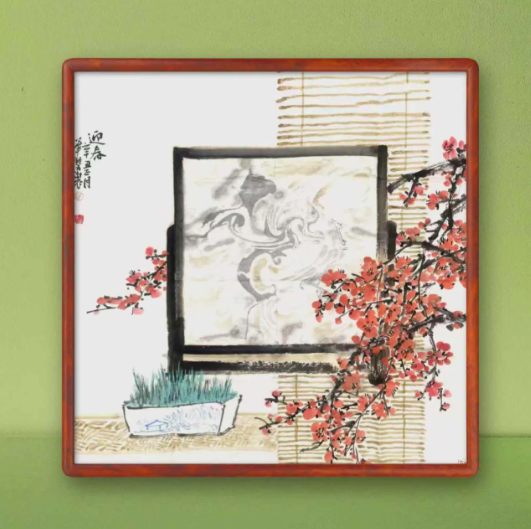
Famous Chinese painting artist is a title earned by those who masterfully combine technique, culture, and storytelling in their work. Traditional Chinese painting is more than visual beauty—it embodies centuries of philosophy, history, and cultural heritage. For generations, collectors, historians, and art enthusiasts have admired these masterpieces for their intricate brushwork, symbolic imagery, and poetic narratives. Each piece captures not only the aesthetics of nature and human life but also the profound values and philosophical insights of Chinese civilization.
Among the most celebrated masters keeping this tradition alive are Zhao Huashuang (赵华双), Jin Zhong (新忠), Wang Baolei (王保雷), and Zhang Yuwen (张玉文). Their work blends classical techniques with modern interpretations, showcasing skill, creativity, and emotional depth. Each piece by these masters exemplifies the qualities of a famous Chinese painting artist, offering viewers and collectors a rare opportunity to experience the richness, elegance, and cultural significance of traditional Chinese art.cultural legacy.
Table of Contents
Famous Chinese Painting Artist: Masters Who Shaped Traditional Chinese Art
Traditional Chinese painting has fascinated collectors and art enthusiasts for centuries. It’s more than visual beauty—it’s a reflection of philosophy, history, and culture. The brushstrokes, symbolic motifs, and intricate compositions convey profound stories, making these works timeless treasures for art lovers worldwide.
Among the most influential contemporary masters who continue this legacy are Zhao Huashuang (赵华双), Jin Zhong (新忠), Wang Baolei (王保雷), and Zhang Yuwen (张玉文). Their art combines classical techniques with modern vision, capturing the essence of traditional Chinese culture while resonating with today’s audiences. These masters are celebrated as some of the most famous Chinese painting artists alive today, whose works continue to inspire collectors worldwide.
The Enduring Legacy of Traditional Chinese Art
Chinese painting is distinguished by its elegance, symbolism, and philosophical depth. Artists throughout history have conveyed not only aesthetic beauty but also cultural narratives, from Daoist harmony and Confucian principles to Buddhist imagery. Collectors around the world value these paintings for both their artistic merit and investment potential.
Modern masters like Zhao Huashuang and Jin Zhong continue this tradition, pushing the boundaries of brushwork, composition, and storytelling, while preserving the core principles that define Chinese painting mastery. Those who appreciate the works of a famous Chinese painting artist understand the intricate balance of technique and storytelling embedded in every piece.
The Masters Behind the Brush
Zhao Huashuang is celebrated for blending traditional brushwork with innovative techniques. His paintings often explore philosophical concepts and nature, creating emotionally powerful scenes that engage viewers deeply.
Jin Zhong’s works are known for their expressive elegance, where subtle symbolism and precise brush control bring life and depth to every piece. His artistry bridges the past and the present, reflecting centuries of cultural heritage in a modern context.
Wang Baolei focuses on the harmony between humanity and nature. His landscapes and figures are rich with emotion and reflection, capturing the spiritual essence of classical Chinese painting while maintaining contemporary relevance.
Zhang Yuwen introduces dynamic storytelling through his paintings, combining classical Chinese motifs with innovative artistic expression. His work reflects culture, humanity, and nature, making it both visually striking and culturally meaningful. Collectively, these artists exemplify why being recognized as a famous Chinese painting artist is synonymous with mastery, innovation, and cultural significance.
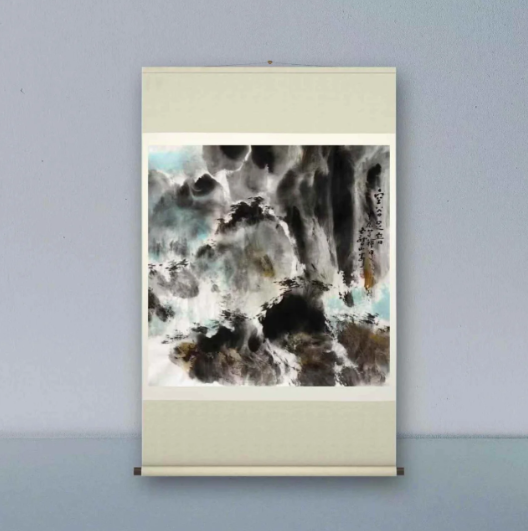
Symbolism and Meaning in Chinese Painting
One reason Chinese paintings are so compelling is their rich symbolic language. Each motif carries meaning:
- Dragons symbolize power and prosperity
- Cranes represent longevity and wisdom
- Pine trees denote resilience and virtue
Understanding these symbols allows viewers to appreciate why each piece by a famous Chinese painting artist is more than a visual work—it’s a reflection of Chinese philosophy, history, and cultural storytelling.
How to Appreciate and Collect Masterpieces
Investing in Chinese art requires both appreciation and knowledge. Here are some proven tips for collectors:
- Understand the Artist: Study the styles and signature techniques of Zhao Huashuang, Jin Zhong, Wang Baolei, and Zhang Yuwen.
- Verify Authenticity: Check provenance, certificates, and stylistic consistency.
- Examine Technique: Evaluate brushwork, composition, and use of color.
- Consider Cultural Significance: Artworks reflecting classical symbolism often hold higher long-term value.
By appreciating both the technical skill and cultural context, collectors gain a deeper connection to the art and its heritage, understanding why each recognized master qualifies as a famous Chinese painting artist.
FAQs About Famous Chinese Painting Artists
Q1: Who are the most influential contemporary Chinese painting artists?
A1: Zhao Huashuang, Jin Zhong, Wang Baolei, and Zhang Yuwen are contemporary masters whose work honors traditional techniques while offering modern expression.
Q2: What makes a Chinese painting valuable?
A2: Value is based on the artist’s reputation, authenticity, technique, rarity, and cultural or historical significance.
Q3: How can I confirm a painting is genuine?
A3: Verify provenance, examine brushwork and composition, and check for authenticity certificates or documented history.
Q4: Are Chinese paintings a good investment?
A4: Yes. Works from recognized masters are often highly sought after and can appreciate in value over time.
Q5: Where can I find authentic masterpieces by these artists?
A5: China Art Hub provides verified artworks, ensuring authenticity and quality for collectors.
Conclusion
The legacy of traditional Chinese painting continues to thrive through the works of masters like Zhao Huashuang, Jin Zhong, Wang Baolei, and Zhang Yuwen. Their artistry not only preserves centuries-old techniques but also brings fresh perspectives to classical forms, bridging the past and present in ways that captivate collectors and enthusiasts alike. Each brushstroke, color choice, and composition tells a story—whether it’s the philosophical depth of landscapes, the elegance of calligraphy, or the emotional resonance of human and natural subjects.
Being recognized as a famous Chinese painting artist is not merely about skill; it reflects the ability to communicate culture, history, and emotion through art. Collectors seeking authentic masterpieces gain more than aesthetic pleasure—they acquire a tangible connection to China’s rich artistic heritage and a work that holds cultural and investment value.
Exploring these artists’ masterpieces offers a unique journey into the heart of Chinese culture, philosophy, and artistic excellence. For anyone passionate about art, Zhao Huashuang, Jin Zhong, Wang Baolei, and Zhang Yuwen exemplify the perfect combination of tradition, innovation, and timeless inspiration, cementing their status as true pillars of the world of Chinese painting.