
Traditional Chinese art styles are more than visual masterpieces—they are windows into the soul of China’s rich cultural heritage. For thousands of years, Chinese artists have used forms like calligraphy, ink wash painting, silk painting, sculpture, and porcelain to express philosophy, history, and emotion. Each style carries its own story, technique, and symbolism, reflecting the values, beliefs, and aesthetics of ancient China.
From the fluid strokes of Chinese calligraphy, which transform words into living art, to the subtle beauty of ink wash landscapes, which capture the spirit of nature, these art forms reveal a deep connection between creativity and culture. Silk paintings and delicate porcelain pieces showcase the technical mastery and elegance of centuries-old craftsmanship, while paper cutting and decorative arts demonstrate the intricate folk traditions that shaped everyday life.
Whether you are an art collector, a student, or simply someone curious about Chinese culture, understanding these classic art forms provides a profound appreciation of their history and timeless charm. This guide explores the most influential traditional Chinese art styles, their unique techniques, and the hidden meanings that make them captivating to audiences worldwide.
Table of Contents
Chinese Calligraphy: Philosophy in Every Stroke
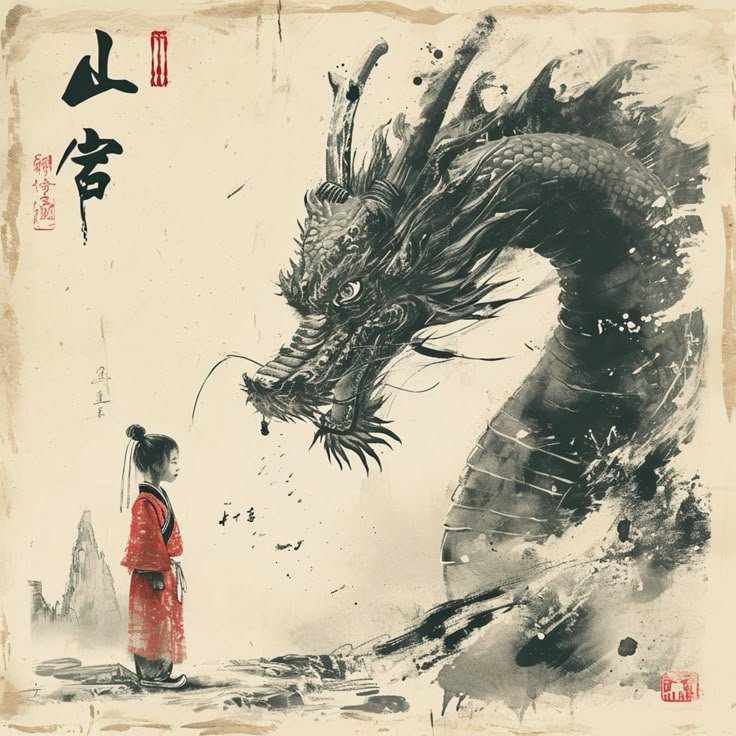
Chinese calligraphy is not just writing—it’s a living art form. Every brushstroke conveys emotion, intention, and harmony.
Key Features:
- Brush and Ink Mastery: Precision in tools affects every stroke.
- Structure: Balance and proportion of characters are essential.
- Styles:
- Seal Script – ancient and formal.
- Clerical Script – square and elegant.
- Regular Script – readable and widely used.
- Cursive Script – fluid and expressive.
Calligraphy is deeply connected to Chinese philosophy, especially Confucian ideals of order and harmony. Mastering calligraphy allows artists to express their inner thoughts while preserving a centuries-old tradition.
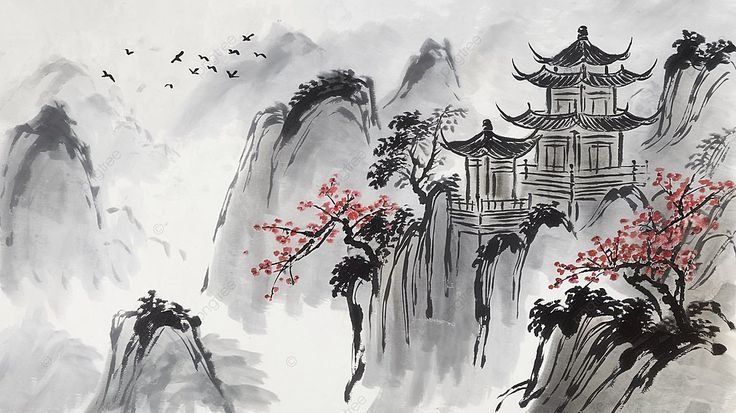
Ink Wash Painting: Capturing Nature’s Spirit
Ink wash painting, or Shui Mo Hua, is one of the most recognized traditional Chinese art styles. Its beauty lies in simplicity and subtlety. Using varying shades of black ink, artists depict landscapes, flowers, birds, and bamboo, capturing the essence of nature rather than exact replication.
Important Techniques:
- Use of negative space to create depth (Liubai).
- Gradation of ink to convey light and shadow.
- Balanced composition that evokes harmony and emotion.
This style reflects the artist’s spiritual connection with nature, making it a timeless choice for collectors and enthusiasts.
READ ALSO: About Chinese Calligraphy
Silk Painting: Elegance on a Fine Canvas
Silk painting transforms delicate silk fabric into a canvas of precision and beauty. Emerging prominently during the Tang Dynasty, it often portrays historical events, mythical figures, and natural motifs.
Why Silk Painting Stands Out:
- Smooth surface allows intricate brushwork.
- Luminous yet subtle colors create a refined aesthetic.
- Each artwork combines technical skill and storytelling.
Silk paintings remain highly collectible, showcasing the elegance and sophistication of ancient Chinese art.
Porcelain and Ceramics: Timeless Treasures
Among traditional Chinese art styles, porcelain and ceramics hold a special place. Renowned worldwide, these creations combine artistry with technical mastery.
Highlights:
- Dynasties like Tang, Song, Ming, and Qing perfected porcelain-making.
- Blue-and-white porcelain is particularly iconic.
- Common motifs include dragons, phoenixes, and lotus flowers, symbolizing power, beauty, and purity.
Collecting Chinese porcelain offers insight into historical craftsmanship and artistic innovation.
Sculpture: From Jade to Bronze
Chinese sculpture represents spiritual, ceremonial, and decorative traditions. From monumental Buddhist statues to delicate jade carvings, each piece reflects cultural and religious values.
Popular Forms:
- Buddhist Statues: Reflect devotion and storytelling.
- Jade Carvings: Symbolize longevity, wealth, and virtue.
- Bronze Vessels: Used in rituals, displaying advanced craftsmanship.
These sculptures highlight the technical excellence and cultural depth of ancient Chinese artists.
Paper Cutting: Folk Art with Symbolic Power
Paper cutting, known as Jianzhi, is a traditional Chinese art style celebrated for its precision and symbolism. Commonly used during festivals and celebrations, it often features dragons, flowers, and auspicious characters, conveying luck and happiness.
Key Features:
- Symmetrical patterns requiring meticulous cutting.
- Cultural storytelling through folk symbolism.
- Vibrant red color traditionally represents joy and prosperity.
Paper cutting remains a popular craft, bridging ancient traditions with contemporary art.
Decorative Arts: Everyday Beauty
Decorative arts include lacquerware, textiles, furniture, and jewelry. These pieces combine practicality with artistic expression, showcasing intricate designs and motifs.
Themes and Techniques:
- Nature-inspired patterns and mythical creatures.
- Carving, painting, embroidery, and inlaying techniques.
- Functional objects transformed into artistic masterpieces.
These art forms reflect the attention to detail and aesthetic values deeply rooted in Chinese culture.
Modern Interpretations: Tradition Meets Innovation
Contemporary Chinese artists often blend traditional techniques with modern media, creating works that honor history while appealing to global audiences.
Why It Matters:
- Preserves cultural heritage.
- Encourages fresh visual storytelling.
- Appeals to collectors and younger generations seeking unique art experiences.
Modern adaptations of traditional Chinese art styles ensure these forms continue to inspire creativity worldwide.
FAQs About Traditional Chinese Art Styles
Q1: What are the most famous traditional Chinese art styles?
A1: Calligraphy, ink wash painting, silk painting, porcelain, sculpture, and paper cutting are among the most influential.
Q2: How can I identify authentic Chinese art?
A2: Look for quality materials, brushstroke precision, symbolic meaning, and historical provenance. Expert authentication is advised for collectors.
Q3: What role does art play in Chinese culture?
A3: Chinese art reflects philosophy, history, spirituality, and social values, acting as a bridge between tradition and modern expression.
Q4: Can beginners learn Chinese painting and calligraphy?
A4: Yes! Start by practicing basic brush strokes, replicating classic works, and studying foundational techniques.
Q5: Why is ink wash painting considered special?
A5: Its emphasis on simplicity, balance, and emotional expression makes it one of the most timeless art styles in Chinese culture.
Conclusion
Exploring traditional Chinese art styles offers more than just aesthetic enjoyment, it’s a journey into thousands of years of cultural wisdom, philosophical thought, and artistic innovation. From the expressive brushstrokes of calligraphy to the serene landscapes of ink wash painting, each art form conveys profound meaning, blending skill, creativity, and history. Silk paintings, delicate porcelain, and intricate paper cuttings further highlight the technical mastery and symbolic richness that have made Chinese art revered worldwide.
These art forms are not merely historical artifacts—they continue to influence modern artists, inspire collectors, and connect generations with China’s cultural identity. Understanding the techniques, symbolism, and stories behind these classic creations allows us to appreciate their timeless charm and cultural significance.
By immersing yourself in the world of traditional Chinese art styles, you gain a deeper understanding of China’s heritage, artistic philosophy, and the human creativity that transcends time. Whether for study, collection, or personal inspiration, these masterpieces remind us of the enduring beauty and universal appeal of Chinese artistry.