
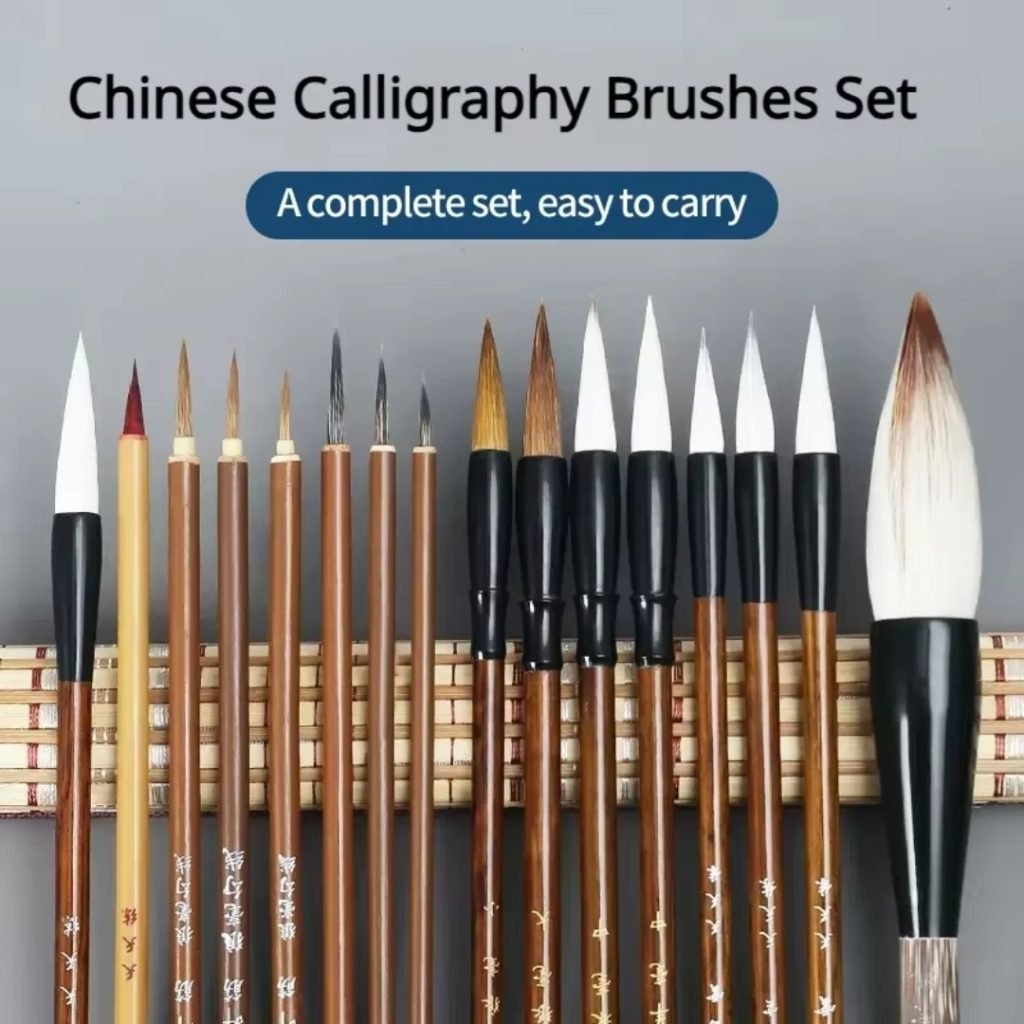
Chinese calligraphy brush is more than just writing—it is an art form that has been practiced for thousands of years. At the heart of this tradition lies the calligraphy brush, a tool that directly influences the quality, fluidity, and style of each stroke.
The bristles of a brush play a crucial role in determining how ink interacts with paper, affecting everything from stroke precision to artistic expression.
Calligraphy brushes are primarily classified into soft, medium, and hard bristles, each designed for specific writing styles. Soft bristles, typically made from goat hair, create smooth, flowing strokes ideal for cursive scripts.
Medium bristles, a blend of soft and stiff hairs, offer versatility, making them suitable for both structured and expressive writing. Hard bristles, often made from weasel or horsehair, provide sharp, controlled strokes for intricate and detailed characters.
This article explores the characteristics, practical applications, and historical significance of each brush type. Backed by case studies and real-world insights, we will break down how different bristles influence Chinese calligraphy, helping both beginners and experienced calligraphers make informed choices.
Whether you are mastering traditional scripts or refining your technique, understanding these brushes is key to unlocking the full potential of your calligraphy skills.
Table of Contents
Unlocking the Secrets of Soft, Medium, and Hard Bristles
Chinese calligraphy has a deep cultural and artistic significance. It requires precision, control, and the right tools to create beautiful characters. Among these tools, the calligraphy brush plays a crucial role in determining the quality and style of the strokes.
The type of brush used directly affects the final outcome of the artwork. There are three main types of calligraphy brushes: soft, medium, and hard bristles. Each type has unique characteristics, making them suitable for different writing styles.
This guide explores the features of each type of brush, their uses, and essential maintenance tips to help calligraphers choose and care for their tools effectively.
1. The Role of the Calligraphy Brush in Chinese Writing
The Chinese calligraphy brush is the most important tool in Chinese calligraphy. It influences the fluidity, structure, and expressiveness of the written characters. The selection of a brush depends on the writing style, the calligrapher’s skill level, and the type of ink and paper used.
How Bristle Type Affects Writing
- Soft Bristles – Offer flexibility and high ink absorption, ideal for flowing, expressive strokes.
- Medium Bristles – Provide balance between control and flexibility, suitable for structured yet dynamic strokes.
- Hard Bristles – Ensure sharp, precise strokes, perfect for detailed and disciplined writing.
Key Aspects of a Calligraphy Brush
- Bristle Material – Determines ink absorption and stroke flexibility.
- Brush Tip Shape – Affects stroke thickness and consistency.
- Brush Handle – Influences grip and comfort during writing.
The combination of these factors determines how well a brush performs in different calligraphy styles.
2. Soft Bristle Calligraphy Brushes: Mastering Fluidity
Soft brushes are typically made from goat hair, known for its high ink absorption and flexibility. These brushes create smooth, continuous strokes, making them ideal for expressive scripts.
Characteristics of Soft Bristle Brushes
- Highly Absorbent – Holds a large amount of ink, allowing longer strokes without frequent re-dipping.
- Flexible Bristles – React to pressure variations, creating thick and thin lines in a single movement.
- Slow to Recover – After pressing down, the bristles take time to return to their original shape.
Best Use Cases
- Cursive and Semi-Cursive Scripts (Xing Shu, Cao Shu) – The flexibility of the brush enhances fluidity and expressiveness.
- Large Characters – Holds more ink, allowing for bold, sweeping strokes.
- Artistic Calligraphy – Soft bristles enable dynamic and natural-looking strokes.
Tips for Using Soft Brushes
- Control Ink Flow – Avoid overloading the brush to prevent ink bleeding on paper.
- Practice Gradual Pressure Changes – Soft brushes respond to variations in hand pressure, requiring steady control.
- Use Absorbent Paper – Helps manage ink distribution and prevents excessive spreading.
Soft brushes offer the most artistic freedom but require patience and skill to master.
3. Medium Bristle Calligraphy Brushes: Finding Balance
Medium bristle brushes are made from a mix of goat and weasel hair, combining the benefits of both soft and hard bristles. They provide a balance between flexibility and stiffness, making them versatile tools for different scripts.
Characteristics of Medium Bristle Brushes
- Moderate Ink Absorption – Holds enough ink for smooth writing but prevents excessive saturation.
- Controlled Flexibility – Offers more structure than soft brushes while retaining some fluidity.
- Quick Recovery – Bristles return to their shape faster than soft brushes, allowing for better stroke definition.
Best Use Cases
- Regular Script (Kai Shu) – The balance of flexibility and control makes it ideal for structured writing.
- Transitioning Between Scripts – Useful for calligraphers who write in both cursive and standard scripts.
- General Practice – Suitable for learners developing control over brush strokes.
Tips for Using Medium Brushes
- Adjust Stroke Speed – Writing too fast may result in inconsistent ink distribution.
- Experiment with Different Inks – Medium brushes handle a range of ink types well, making them adaptable.
- Use for Multi-Purpose Writing – Ideal for calligraphy that requires both precision and expressive strokes.
Medium brushes are excellent for developing skills and adapting to various calligraphy styles.
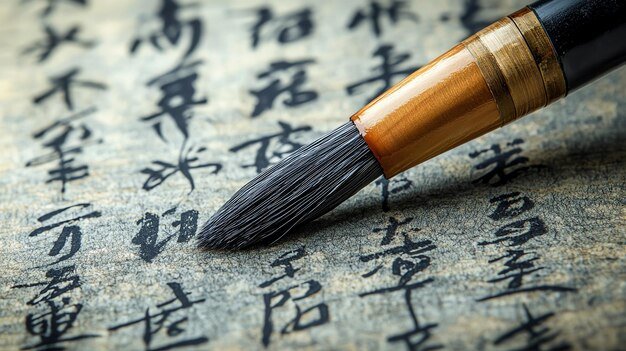
4. Hard Bristle Calligraphy Brushes: Precision and Sharpness
Hard brushes are made from weasel or horsehair, providing stiff bristles that create crisp, well-defined strokes. These brushes are ideal for scripts that require precision and strong structure.
Characteristics of Hard Bristle Brushes
- Low Ink Absorption – Holds less ink than soft brushes, requiring frequent re-dipping.
- Sharp and Defined Strokes – Produces clean edges and consistent thickness.
- Immediate Recovery – Bristles return to their original shape quickly, allowing for controlled movements.
Best Use Cases
- Standard Script (Kai Shu) – Requires sharp, controlled strokes with consistent spacing.
- Small Character Writing – Ideal for intricate, detailed work.
- Disciplined Writing Practice – Helps beginners develop steady hand movements and precise strokes.
Tips for Using Hard Brushes
- Maintain a Steady Hand – Sudden movements can create unintended breaks in the stroke.
- Dip Ink More Frequently – Since the brush holds less ink, re-dipping ensures smooth writing.
- Use Smooth Paper – Reduces friction and prevents bristle damage.
Hard brushes are the best choice for beginners learning the fundamentals of calligraphy.
5. Choosing the Right Brush for Your Needs
Selecting the right Chinese calligraphy brush depends on skill level, script style, and personal preference.
Comparison of Brush Types
| Brush Type | Best For | Characteristics |
|---|---|---|
| Soft Bristle | Cursive & Artistic Scripts | High ink absorption, flexible strokes |
| Medium Bristle | Regular Script & Versatile Use | Balanced ink control, moderate flexibility |
| Hard Bristle | Standard Script & Precision | Defined strokes, quick recovery |
Choosing Based on Experience Level
- Beginners – Start with a hard or medium brush for better control.
- Intermediate Learners – Use medium brushes to develop both structure and flexibility.
- Advanced Calligraphers – Soft brushes allow for greater artistic expression.
Practical Considerations
- Ink Type – Some brushes work better with specific inks; softer brushes require thicker ink.
- Paper Choice – Absorbent papers suit soft brushes, while smooth papers are better for hard brushes.
- Writing Speed – Soft brushes work best for slower, expressive strokes, while hard brushes handle faster, precise movements.
Choosing the right brush is essential for mastering calligraphy techniques and improving writing consistency.
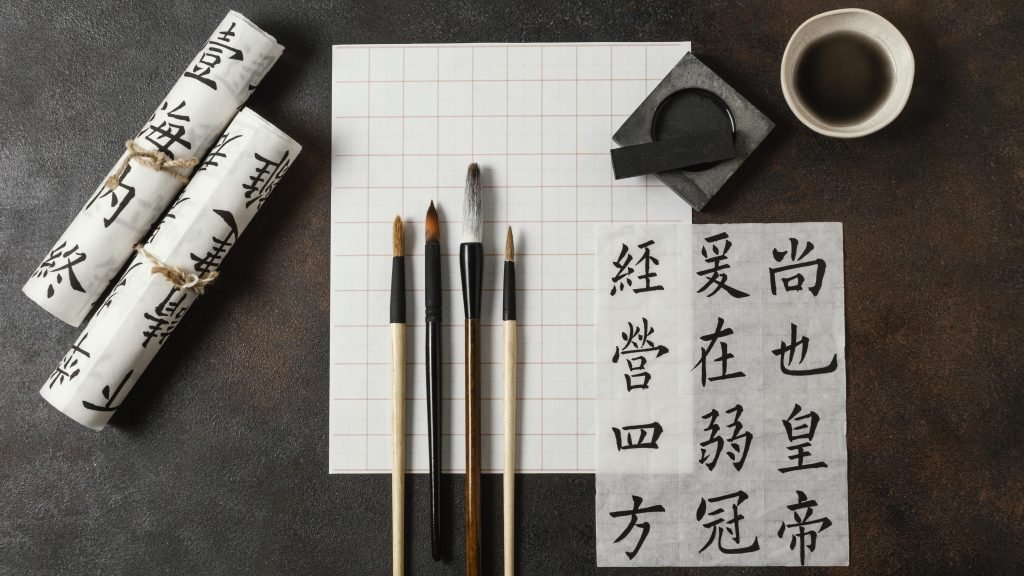
6. Maintaining Your Calligraphy Brushes
Proper maintenance extends the lifespan of a calligraphy brush and ensures consistent performance.
Cleaning Your Brushes
- Rinse Immediately After Use – Prevents ink from drying on the bristles.
- Use Lukewarm Water – Hot water can damage natural bristles.
- Gently Squeeze Out Excess Water – Avoid twisting or pulling the bristles.
Proper Storage Techniques
- Hang the Brush to Dry – Prevents water from weakening the glue at the base.
- Store in a Ventilated Area – Protects from moisture and mold growth.
- Keep Bristles Covered – Prevents dust buildup and maintains brush shape.
Common Mistakes to Avoid
- Never Leave Brushes in Water – Prolonged exposure weakens the bristles.
- Avoid Harsh Cleaners – Soap and chemicals strip natural oils from the bristles.
- Do Not Store Brushes Wet – Traps moisture, leading to mold and bristle damage.
Proper care ensures that calligraphy brushes remain in excellent condition, providing smooth and consistent writing over time.
Conclusion
Choosing the right Chinese calligraphy brush is essential for mastering different scripts and improving writing precision. Each brush type—soft, medium, and hard—serves a specific purpose, affecting ink flow, stroke flexibility, and overall writing style.
Soft bristle brushes, made from goat hair, provide fluid, expressive strokes ideal for cursive and artistic scripts. However, they require careful ink control and steady hand movements.
Medium bristle brushes, blending soft and hard hairs, offer a balance between flexibility and control, making them suitable for structured yet dynamic writing styles like Kai Shu.
Hard bristle brushes, typically made from weasel or horsehair, deliver sharp, precise strokes, perfect for disciplined, detail-oriented writing.
Selecting the right brush depends on experience level, script style, and personal preference. Beginners benefit from hard or medium brushes for better control, while advanced calligraphers use soft brushes for artistic expression.
Proper brush maintenance—rinsing after use, storing correctly, and avoiding harsh cleaning agents—ensures longevity and consistent performance.
By understanding brush characteristics and maintaining them well, calligraphers can enhance their skills and achieve beautifully executed strokes. Investing in the right tools and practicing regularly will lead to noticeable improvements in calligraphy techniques over time.